
A Sagging Ceiling: What It Means and How It's Repaired
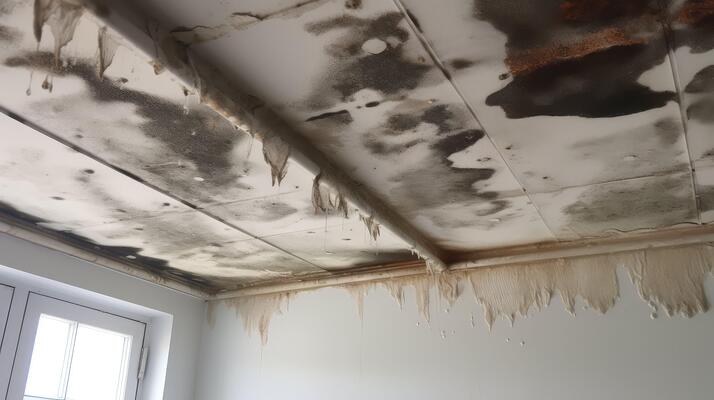
A ceiling that's visibly sagging or bowing is a different situation than a simple crack or nail pop, often indicating either water damage, an installation issue, or in some cases, more significant structural concerns that need attention beyond a standard patch.
Common Causes of Ceiling Sag
- Water damage weakening the drywall's structural integrity from above
- Improperly installed or under-fastened drywall from original construction
- Excessive weight in an attic space above, such as stored items on drywall not designed to bear weight
- Aging drywall that has gradually lost rigidity over many years
Why Sagging Shouldn't Be Ignored
Unlike a cosmetic crack, a genuinely sagging ceiling section indicates the drywall's structural bond has weakened, and in more severe cases, can eventually lead to partial or full collapse if left unaddressed.
Assessing the Cause Before Repair
Determining whether water damage, weight, or installation issues caused the sag is essential, since repair without addressing the underlying cause risks the same problem recurring.
The Repair Process for Sagging Ceilings
- Identifying and resolving the underlying cause
- Removing the compromised sagging drywall section
- Reinforcing framing or fastening as needed
- Installing new drywall properly secured to framing
- Taping, mudding, and texture matching the repaired area
- Priming and painting to blend with the surrounding ceiling
Why Professional Assessment Matters
Because sagging can range from a minor, easily repaired issue to a sign of more significant water damage or structural concern, professional evaluation ensures the right repair approach is taken from the start.
Addressing This Before It Becomes More Serious
A sagging ceiling section is worth addressing promptly rather than waiting, given the potential for the situation to worsen over time.

Noticing a sagging ceiling in your home? Contact us today for a thorough assessment and repair.
KC10 Remodels
Find Us On


