
Bathtub Overflow Damage: A Preventable but Common DFW Restoration Need
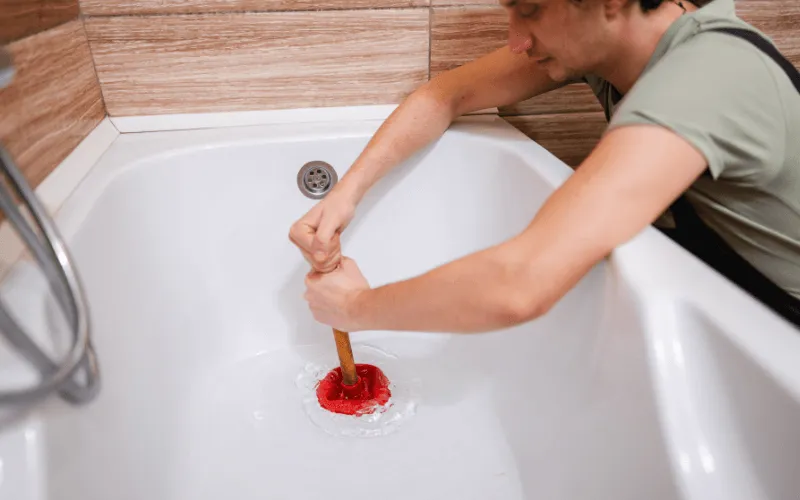
A bathtub left running unattended, even briefly, can overflow enough water to cause meaningful damage — not just to the bathroom itself, but potentially to the ceiling and room directly below if the home has multiple stories.
How Bathtub Overflow Typically Happens
Distraction during bath time, a malfunctioning drain, or simply misjudging fill time are the most common causes, and the resulting water volume can exceed what a bathroom floor drain or threshold can safely contain.
Why This Can Cause Damage Beyond the Bathroom
Water from an overflow often finds its way through subfloor seams and down into the ceiling and walls of the room below, particularly in second-floor bathrooms above living space.
Signs to Check After a Bathtub Overflow Incident
- Standing water on the bathroom floor extending toward walls or the doorway
- A wet ceiling or visible drip in the room below, if applicable
- Water intrusion into hallway flooring just outside the bathroom
The Restoration Process
- Extracting any remaining standing water immediately
- Assessing whether water reached the subfloor, adjacent rooms, or the ceiling below
- Drying affected areas thoroughly using appropriate equipment
- Removing any materials that absorbed too much water to fully dry
- Mold prevention treatment given the volume of water typically involved
- Repairing and restoring affected flooring, drywall, or ceiling areas
Preventing Future Overflow Incidents
Never leaving a running tub unattended, and addressing any slow-draining tub promptly, are simple habits that meaningfully reduce this risk.
Addressing the Damage Quickly Matters
Because tub overflow often involves a significant volume of water quickly, prompt response and thorough drying are especially important to prevent more extensive damage from developing.

Dealt with a bathtub overflow incident? Contact us today for assessment and restoration.
KC10 Remodels
Find Us On


