
Can Water-Damaged Wood Flooring Be Saved? What DFW Homeowners Should Know
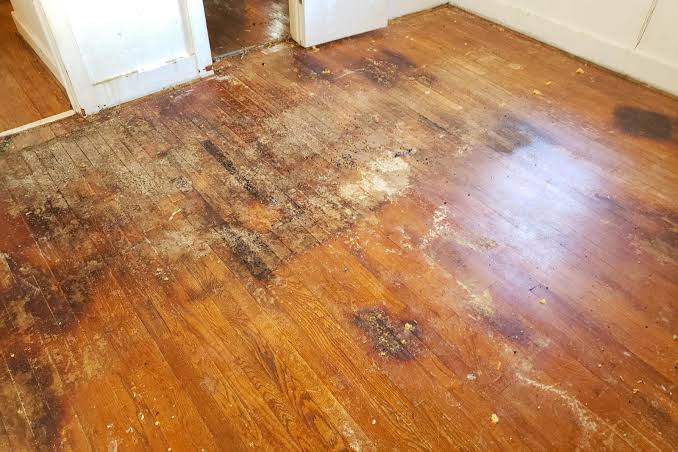
Wood flooring and water don't mix well, and when a leak, spill, or flooding event affects hardwood floors, homeowners are often left wondering whether the damage means a costly full replacement, or whether the flooring can actually be saved through proper restoration. The answer depends heavily on how quickly the water was addressed and the extent of the exposure.
How Water Damages Wood Flooring
Wood is a naturally porous material that absorbs moisture, causing individual boards to swell, warp, or cup (where the edges of a board curl upward relative to the center) as they absorb water unevenly. The longer water sits on or beneath wood flooring, the more significant and less reversible this damage becomes.
Signs of Water Damage in Wood Flooring
- Cupping, where board edges rise higher than the center
- Crowning, the opposite effect, where the center of a board rises higher than the edges
- Visible gaps between boards that weren't previously present
- Discoloration or dark staining
- A soft, spongy feel underfoot
- Buckling, where boards lift and separate from the subfloor entirely
Why Quick Response Matters So Much for Wood Flooring
Wood flooring that's dried quickly after minor water exposure often recovers significantly better than flooring left wet for an extended period. Once wood has fully absorbed water and begun structurally warping, the damage becomes much harder — and sometimes impossible — to fully reverse.
Assessing Whether Wood Flooring Can Be Saved
Minor Surface Exposure
Wood flooring exposed briefly to water (a quickly cleaned spill, for example) often shows minimal lasting damage once properly dried.
Moderate Cupping
In some cases, wood flooring that has cupped due to moisture exposure can be sanded and refinished once the wood has fully dried and the moisture content has returned to a stable level, effectively removing the cupped surface and restoring a flat, even finish.
Significant Warping or Buckling
Flooring that has buckled, significantly warped, or shows extensive structural damage typically cannot be restored and needs replacement, since the wood's structural integrity has been compromised beyond what refinishing can address.
The Restoration Process for Salvageable Wood Flooring
1. Stopping the Water Source
Addressing whatever caused the water exposure is the essential first step before any flooring restoration begins.
2. Drying the Flooring and Subfloor
Industrial drying equipment addresses moisture in both the visible flooring and the subfloor beneath, since trapped moisture in the subfloor can cause continued problems even if the surface flooring appears dry.
3. Allowing Time for Wood to Stabilize
Wood flooring often needs an extended period to fully acclimate and stabilize after significant moisture exposure before any refinishing work begins, since sanding or refinishing prematurely can lock in problems that would otherwise resolve as the wood continues drying.
4. Sanding and Refinishing
Once the wood has stabilized, sanding removes cupping or minor surface damage, and refinishing restores the floor's original appearance.
When Replacement Is the Better Path Forward
For flooring with significant structural warping, buckling, or extensive discoloration that sanding can't address, replacement is typically the more practical and cost-effective solution compared to attempting extensive repairs on flooring that's unlikely to achieve a satisfactory result.
Why Professional Assessment Matters
Determining whether water-damaged wood flooring can be saved requires experience distinguishing between cosmetic, refinishable damage and structural damage requiring replacement — a professional assessment helps avoid either unnecessarily replacing salvageable flooring or investing in restoration attempts on flooring that's beyond repair.
Protecting Your Investment in Wood Flooring
Given how significant wood flooring damage can be, addressing any water exposure as quickly as possible — even before calling for professional restoration — meaningfully improves the odds that your flooring can be saved rather than requiring full replacement.

Dealing with water-damaged wood flooring? Contact us today for a thorough assessment and restoration options.
KC10 Remodels
Find Us On


