
Ceiling Damage Below a Second-Floor Bathroom: A Common Restoration Scenario in DFW Homes
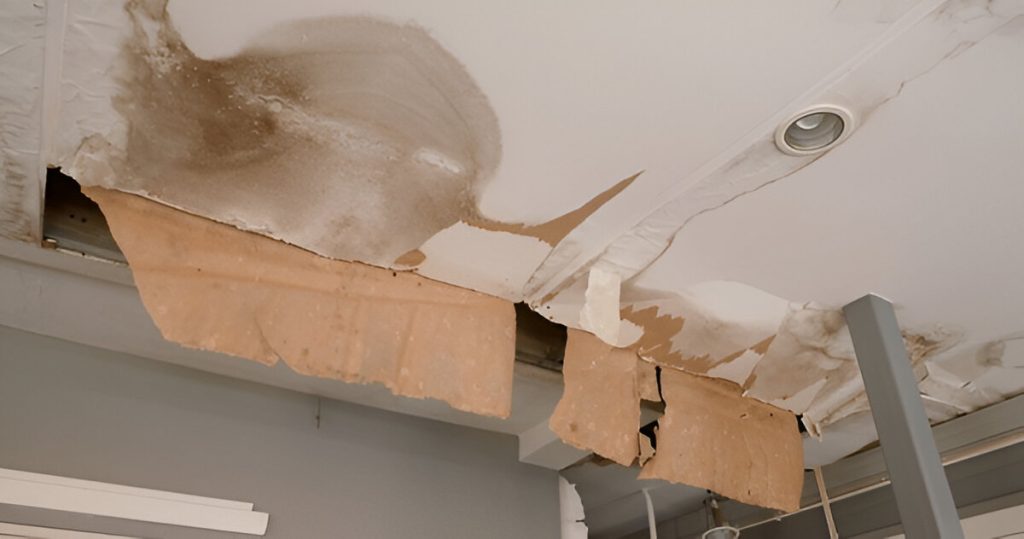
One of the most common water damage patterns in two-story DFW homes involves a stain appearing on the ceiling of a room directly below an upstairs bathroom. This specific scenario has a fairly predictable set of causes and requires a particular approach to properly identify the source before any ceiling repair can be considered complete.
Why This Location Is Such a Common Water Damage Spot
Second-floor bathrooms concentrate several potential leak sources — tub and shower plumbing, toilet connections, and sink plumbing — directly above living space below, meaning any leak in this bathroom has a direct path to cause visible ceiling damage in the room underneath.
Common Causes of Leaks Above These Ceilings
Shower or Tub Waterproofing Failures
A compromised waterproofing membrane or failed grout and caulk around a shower or tub can allow water to seep through the floor and down into the ceiling below.
Toilet Wax Ring Failures
The wax ring seal beneath a toilet can deteriorate over time, allowing water to leak with each flush, gradually causing damage to the ceiling below.
Supply Line or Drain Pipe Leaks
Plumbing connections within the bathroom's walls or floor can develop slow leaks that travel downward before becoming visible.
Overflow Incidents
An overflowing tub or a clogged toilet that overflows can introduce a larger volume of water quickly, sometimes causing more immediate and obvious ceiling damage.
Signs of This Type of Water Damage
- A stain, typically yellowish or brownish, appearing on the ceiling directly below a bathroom
- Sagging or bubbling in the ceiling drywall
- A musty smell in the room below the affected bathroom
- Peeling paint on the ceiling near the stained area
- Sounds of dripping if the leak is active and significant
Why Identifying the Exact Source Matters Before Repair
Simply repainting a ceiling stain without identifying and repairing the source above will only mask the problem temporarily — the stain, and potentially more significant damage, will return with continued water exposure.
The Assessment and Repair Process
1. Identifying the Leak Source
This typically requires inspecting the bathroom above — checking shower and tub waterproofing, toilet seal condition, and plumbing connections — to determine exactly where water is entering.
2. Repairing the Source
Whether it's resealing a shower, replacing a toilet wax ring, or repairing a plumbing connection, the underlying issue needs to be fully resolved first.
3. Assessing Ceiling Damage
Once the leak source is addressed, the extent of ceiling damage — including whether insulation above the ceiling has also been affected — needs to be evaluated.
4. Drying the Affected Area
Depending on the extent of water exposure, drying equipment may be needed to address moisture within the ceiling cavity before repairs begin.
5. Removing and Replacing Damaged Drywall
Sagging, stained, or water-compromised ceiling drywall is removed and replaced with new material.
6. Texture Matching and Finishing
The new ceiling drywall is textured to match the surrounding ceiling, then primed and painted, using a stain-blocking primer to ensure any residual staining doesn't bleed through the new paint.
Why Stain-Blocking Primer Matters for This Repair
Water stains, even after the source is fixed and the area is fully dried, can bleed through standard paint if not properly sealed first. A stain-blocking primer specifically prevents this discoloration from showing through the fresh paint.
Why Addressing This Promptly Matters
Ceiling leaks from an upstairs bathroom can worsen over time if left unaddressed, potentially leading to more significant structural damage, mold growth, or eventually ceiling collapse in severe, long-neglected cases.
Restoring Your Ceiling the Right Way
This common water damage scenario requires coordinating both the plumbing or waterproofing repair above and the drywall restoration below, ensuring the problem is genuinely resolved rather than simply repainted over a still-active leak source.

Noticing a stain on the ceiling below a bathroom? Contact us today for a thorough assessment and restoration.
KC10 Remodels
Find Us On


