
Choosing Safe, Low-VOC Paint for Nurseries and Kids' Rooms in DFW Homes
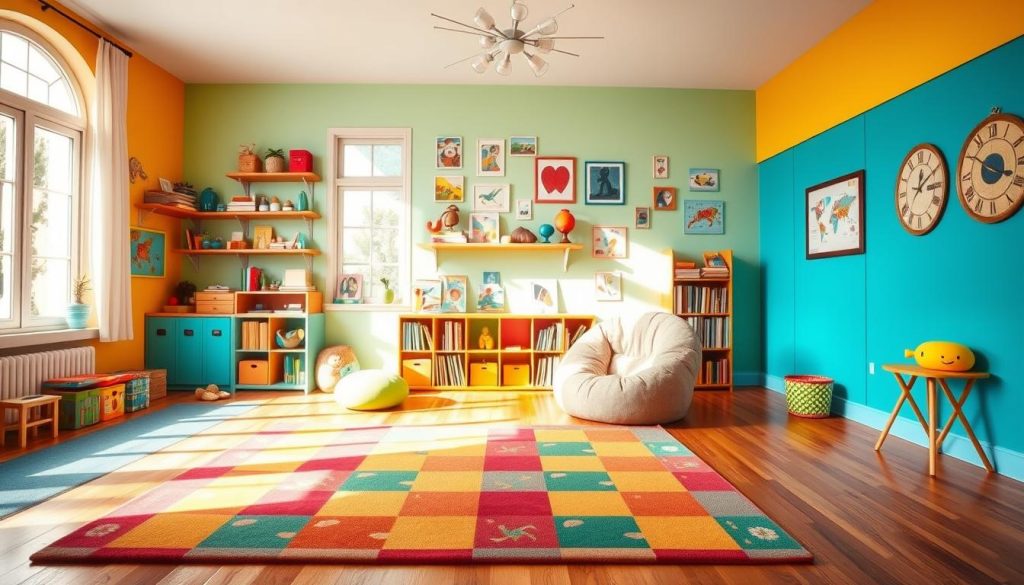
Preparing a nursery or a kids' room is one of the more emotionally significant painting projects a DFW family takes on, and it comes with a specific set of considerations that other rooms in the home don't carry in quite the same way — particularly around indoor air quality and paint product selection for a space where a baby or young child will spend a significant amount of time.
Understanding VOCs in Paint
Volatile organic compounds (VOCs) are chemicals released into the air as paint dries and cures, and they're responsible for the strong "new paint smell" most people associate with a freshly painted room. Higher-VOC paints release more of these compounds, which can linger in the air for a period after application and may contribute to indoor air quality concerns, particularly relevant for sensitive populations like infants and young children.
Why Low-VOC and Zero-VOC Paints Matter for Nurseries
Many paint manufacturers now offer low-VOC or zero-VOC formulations specifically designed to reduce the chemical off-gassing associated with standard paint, offering families more peace of mind when preparing a space for a new baby or young child.
What "Low-VOC" and "Zero-VOC" Actually Mean
Low-VOC Paints
Contain significantly reduced levels of volatile organic compounds compared to standard paint formulations, though not entirely eliminated.
Zero-VOC Paints
Formulated to contain effectively no VOCs in the base paint, though it's worth noting that adding certain tints or colorants can sometimes introduce small amounts of VOCs even to a zero-VOC base.
Timing Considerations for Nursery Painting
Even with low-VOC products, it's generally recommended to complete nursery painting well in advance of a baby's arrival — allowing adequate time for the paint to fully cure and for any residual odor to dissipate completely before the room is regularly occupied.
Ventilation During and After Painting
Proper ventilation — open windows, fans, and continued airflow — during and immediately after painting helps any remaining VOCs dissipate more quickly, regardless of which paint product is used, and is a good practice for any painting project involving a room intended for a young child.
Choosing Colors for Nurseries and Kids' Rooms
Beyond the product safety considerations, nursery and kids' room color choices often prioritize:
- Soft, calming tones for sleep-focused nursery spaces
- More playful, saturated colors for older children's rooms where energy and personality matter more
- Durable, washable sheens (satin or eggshell) given the wear kids' rooms typically experience
- Colors that can grow with a child, avoiding overly theme-specific choices that a child may outgrow quickly
Durability Considerations for Kids' Rooms
Kids' rooms tend to experience more wall contact — crayon marks, scuffs, and general wear — than adult bedrooms, making a slightly more durable, washable sheen a practical choice even in a room where color trends lean toward softer, playful palettes.
Why Professional Painters Understand These Considerations
A painting contractor familiar with low-VOC product options can guide product selection specifically for nursery and kids' room projects, helping families balance color preferences, durability needs, and air quality considerations appropriately for this particularly important room in the home.
Creating a Safe, Beautiful Space for Your Child
Preparing a nursery or kids' room is about more than just picking a pretty color — it's about creating a space that's both beautiful and appropriately considered for the health and comfort of the child who will spend so much time there.

Preparing a nursery or kids' room? Get your free estimate and we'll help you choose the right products for your space.
KC10 Remodels
Find Us On


