
Drywall Damage in Your DFW Home? Here's How Professional Repair and Texture Matching Fixes It Right
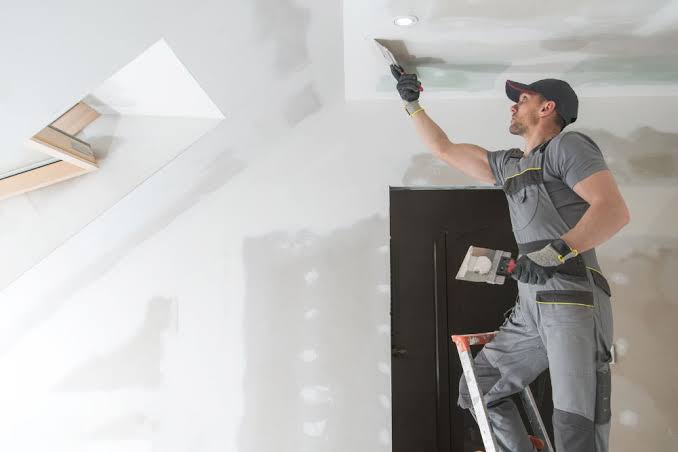
Every home eventually deals with drywall damage — a doorknob dent, a water stain from an old leak, a crack that formed as the foundation settled, or a hole left behind from a wall-mounted TV that got moved. What often trips homeowners up isn't the repair itself, but making sure the patched area actually blends in with the surrounding wall. Nothing gives away a DIY drywall repair faster than mismatched texture sitting under the wrong lighting.
For DFW homeowners dealing with foundation shifts, humidity swings, and older housing stock, drywall repair and texture matching is one of the most requested — and most frequently botched — home improvement jobs. Here's what goes into doing it correctly.
Common Causes of Drywall Damage in North Texas Homes
Texas clay soil expands and contracts significantly with seasonal moisture changes, which puts real stress on foundations and, in turn, drywall. Common culprits include:
- Foundation movement — causing hairline cracks near doorframes, ceiling corners, and window trim
- Water damage — from roof leaks, plumbing issues, or condensation, leaving stains and soft spots
- Impact damage — dents, dings, and holes from furniture, doorknobs, or moving mishaps
- Nail pops — small bumps where drywall fasteners work loose over time
- Old renovations — mismatched patches from previous owners or rushed repairs
Left unaddressed, small cracks can widen, and water-damaged drywall can develop mold if the underlying moisture issue isn't resolved first.
Why Texture Matching Is the Hard Part
Most homes in DFW have some form of wall texture — knockdown, orange peel, popcorn ceilings (in older homes), or smooth finishes in newer construction. When a patch is repaired but not textured to match, it creates a visible flat spot or an obvious seam, especially under natural light or when painted.
Texture matching requires:
- Identifying the exact texture style already on the wall
- Mixing the right consistency of joint compound
- Applying texture using the appropriate tool — a hopper gun for orange peel or knockdown, trowel work for skip trowel finishes, or hand-applied techniques for custom patterns
- Feathering the edges so the transition between old and new is invisible once painted
This is where experience matters. A seasoned drywall contractor can match texture that blends seamlessly, while an inexperienced repair often leaves a noticeable patch that stands out no matter what color goes over it.
The Drywall Repair Process, Step by Step
1. Assessment
Before any repair begins, it's important to determine the cause of the damage. A hairline crack from normal settling is different from a crack that indicates an active foundation issue, and water stains need the moisture source addressed before patching, or the damage will return.
2. Cutting Out Damaged Material
For holes or heavily damaged sections, the compromised drywall is cut out cleanly, and a new patch is fitted and secured to the wall studs or existing drywall using backing material.
3. Taping and Mudding
Joint tape is applied over seams, followed by multiple thin coats of joint compound, each sanded smooth before the next is applied. Rushing this step is the number one reason patches look uneven once painted.
4. Texture Application
Once the surface is smooth and even, texture is applied to match the surrounding wall — whether that's a light orange peel, heavier knockdown, or smooth finish.
5. Priming and Painting
The repaired area is primed to prevent flashing (a visible sheen difference) and then painted to blend with the rest of the wall or ceiling.
Ceiling Repairs and Popcorn Texture
Many older DFW homes still have popcorn ceilings, and repairing damage in these areas requires special care. Whether it's a water stain from a roof leak or cracking near a light fixture, matching popcorn texture takes a different technique than wall repairs and should be handled by someone experienced with that specific texture style.
When to Repair vs. When to Consider a Larger Fix
Small cracks and holes are usually a straightforward patch job. But if you're noticing:
- Recurring cracks in the same spot after previous repairs
- Cracks that run diagonally from door or window corners
- Multiple cracks appearing across different rooms at once
- Soft, sagging, or discolored drywall from ongoing moisture
…these can be signs of a larger foundation or moisture issue that should be evaluated before simply patching over the surface. Addressing the root cause first ensures the repair actually holds.
Why Professional Texture Matching Matters for Resale and Everyday Living
Whether you're preparing your DFW home for sale or just want your walls to look finished, mismatched drywall patches are one of the fastest ways to make a room look unfinished or poorly maintained. Professional drywall repair and texture matching restores walls and ceilings to a seamless, move-in-ready condition — no visible patches, no texture mismatch, no obvious "repair" giveaways.
What to Look for in a Drywall Repair Contractor
- Experience matching multiple texture styles (orange peel, knockdown, popcorn, smooth)
- A clean process that protects flooring and furniture during repairs
- Willingness to explain the cause of damage, not just patch the symptom
- Photos of previous drywall and texture work
If your DFW home has cracks, holes, water stains, or mismatched patches from a past repair, a professional drywall and texture matching service can restore your walls to a flawless, seamless finish.

Have drywall damage that needs a professional touch? Request your free estimate and we'll get your walls looking like new.
KC10 Remodels
Find Us On


