
Filing an Insurance Claim for Water Damage: What DFW Homeowners Need to Know
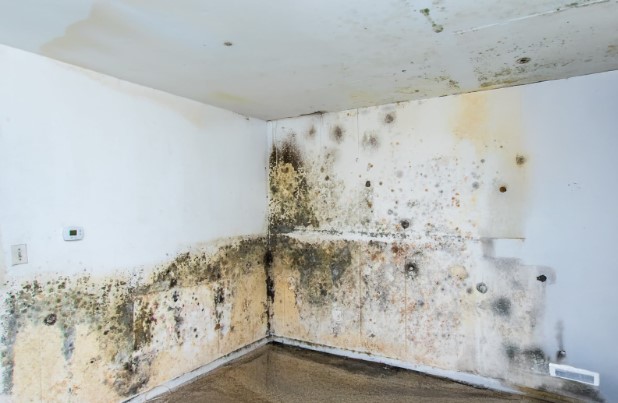
Discovering water damage in your home is stressful enough without also having to navigate the insurance claims process. For many DFW homeowners, a burst pipe, storm damage, or appliance failure means dealing with both the physical repair and the paperwork side of getting that repair covered. Understanding how the claims process typically works can make an already difficult situation feel more manageable.
Documenting the Damage Immediately
Before any cleanup or repair begins, thorough documentation protects your claim:
- Photos and video of all affected areas, taken as soon as damage is discovered
- Photos of the source of the water damage, if identifiable (a burst pipe, roof leak, etc.)
- A written record of when the damage was discovered and any immediate steps taken
- A list of damaged belongings, if personal property was affected
This documentation becomes the foundation of your claim and helps avoid disputes later about the extent of the damage.
Contacting Your Insurance Company
Most policies require prompt notification once damage is discovered. When you contact your insurer:
- Report the damage as soon as possible after discovery
- Ask about your policy's specific coverage for water damage (sudden vs. gradual leaks are often treated differently)
- Request an explanation of your deductible and coverage limits
- Ask whether you need approval before starting mitigation work, or if emergency mitigation is covered regardless
Sudden vs. Gradual Water Damage: Why It Matters
Insurance policies typically distinguish between sudden, accidental water damage (like a burst pipe) and damage from a gradual, long-term leak that went unaddressed. Sudden damage is generally covered, while gradual damage — especially if it suggests a maintenance issue that was ignored — may be excluded or covered differently. This distinction is one reason addressing small leaks quickly matters, both for your home and your coverage.
The Role of Mitigation Before Repairs
Most insurance policies expect homeowners to take reasonable steps to prevent further damage once water damage is discovered — extracting standing water, beginning the drying process, and preventing mold growth. Delaying this mitigation step can sometimes affect claim coverage if the insurer determines that further damage resulted from inaction.
Working With an Adjuster
An insurance adjuster will typically visit the property to assess the damage and determine coverage. Having your own documentation ready, along with an assessment from your restoration contractor, helps ensure the adjuster has a complete picture of the damage — not just what's visible on a walkthrough.
Getting a Restoration Estimate
A detailed estimate from a water damage restoration company outlines the full scope of necessary repairs — water extraction, drying, mold prevention, and rebuilding damaged areas. This estimate is often submitted alongside your claim to support the requested coverage amount.
Common Claim Challenges
- Underestimating hidden damage — moisture behind walls or under flooring isn't always visible during an initial assessment
- Disputes over cause — whether damage was sudden or gradual can affect coverage
- Scope disagreements — insurers and restoration contractors may initially differ on what repairs are necessary
Having thorough documentation and a detailed contractor estimate helps address these challenges more smoothly.
Why Timing Matters for Your Claim
Delaying repairs while waiting on claims paperwork can allow damage to worsen, potentially complicating your claim further. Many restoration companies can begin mitigation work — water extraction and drying — right away, even while the broader claims and repair approval process is still underway, to prevent the situation from escalating.
Working With a Restoration Company That Understands the Claims Process
An experienced water damage restoration company can provide the detailed documentation, photos, and scope of work that insurance companies typically require, helping streamline communication between you, your adjuster, and the repair process itself.
Getting Your Home Back to Normal
While the insurance process adds an extra layer of complexity to dealing with water damage, having clear documentation, prompt mitigation, and a detailed restoration estimate helps keep the process moving efficiently — so your DFW home can get back to normal as quickly as possible.

Dealing with water damage and need help with the repair process? Contact us today for a thorough assessment and estimate.
KC10 Remodels
Find Us On


