
Finishing a Basement in DFW: Drywall and Texture Considerations Homeowners Should Know
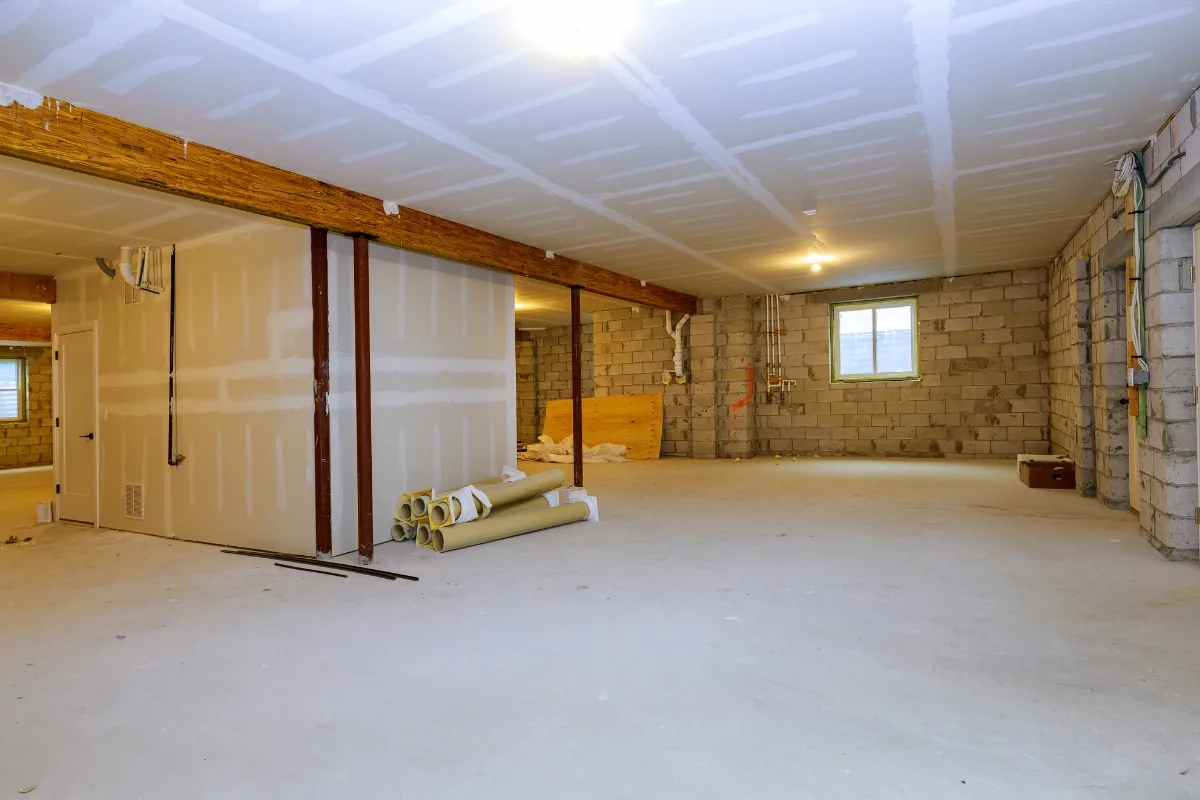
While basements are less common in North Texas than in other parts of the country, homes that do have them — particularly in certain DFW neighborhoods with the right soil and grading conditions — often treat unfinished basement space as an untapped opportunity for additional living area. Finishing a basement properly starts with the right drywall installation and texture work, since this space often faces different moisture and structural considerations than the rest of the home.
Why Basement Drywall Requires Special Consideration
Basements typically experience more consistent moisture and humidity than above-ground living spaces, due to their below-grade location and proximity to soil moisture. This makes moisture-resistant materials and proper vapor barriers especially important before drywall installation begins.
Preparing a Basement for Drywall Installation
Moisture Assessment
Before any drywall goes up, it's important to confirm the basement doesn't have ongoing moisture intrusion issues that would compromise new drywall over time.
Framing Considerations
Basement walls often need furring strips or a separate framed wall built slightly away from the foundation wall to accommodate insulation and prevent direct moisture contact with drywall.
Insulation
Proper insulation between the foundation wall and new drywall helps regulate temperature and reduce condensation risk within the finished space.
Moisture-Resistant Drywall Products
Using drywall products specifically designed for below-grade or moisture-prone environments provides an extra layer of protection compared to standard drywall in a space more susceptible to humidity.
The Basement Drywall and Texture Process
- Installing a proper vapor barrier and insulation against the foundation wall
- Framing out the wall structure to accommodate drywall installation
- Hanging moisture-resistant drywall panels
- Taping and mudding seams in multiple thin coats
- Applying texture to match the rest of the home, or a smooth finish for a more modern basement aesthetic
- Priming and painting with products suited for the basement's humidity levels
Choosing Texture for Basement Spaces
Some homeowners choose to match their basement's texture to the rest of the home for consistency, while others opt for a smooth, modern finish, particularly if the basement is being designed as a distinct space — a home theater, gym, or entertainment area with its own design identity separate from the main living areas.
Addressing Existing Moisture Issues Before Finishing
If a basement has a history of water intrusion, addressing that underlying issue — improving exterior drainage, waterproofing the foundation wall, or installing a sump pump — needs to happen before drywall installation, or the new finished space risks the same moisture problems that affected the space previously.
Ceiling Considerations in Finished Basements
Basement ceilings often need to accommodate mechanical systems — plumbing, electrical, and HVAC ductwork — which can affect ceiling height and design. Some homeowners choose a drywall ceiling for a fully finished look, while others opt for a drop ceiling in areas requiring easier access to mechanical systems.
Soundproofing Considerations for Basement Spaces
If a basement is being finished as a media room, home theater, or space where noise control matters, additional soundproofing materials can be incorporated during the drywall installation process, providing better sound isolation than standard drywall alone.
Common Basement Finishing Mistakes to Avoid
- Skipping proper moisture assessment before installing drywall
- Using standard, non-moisture-resistant drywall in a below-grade space
- Rushing texture matching, leading to a finished ceiling or wall that looks inconsistent with the rest of the home
- Not addressing existing water intrusion issues before finishing the space
Why Professional Installation Matters for Basement Projects
Basement finishing carries more moisture-related risk than above-ground drywall projects, making proper materials, vapor barriers, and installation techniques especially important for a lasting, problem-free finished space. Professional installation ensures these considerations are addressed correctly from the start, rather than discovered as a problem after the space is already finished.
Turning Unused Space Into a Functional Room
A properly finished basement — with the right drywall, insulation, and texture work — can add meaningful livable square footage to a DFW home, whether that's a home theater, gym, guest suite, or additional family living space.

Planning to finish your basement? Get your free estimate for drywall installation and texture matching.
KC10 Remodels
Find Us On


