
Hidden Water Damage Behind Bathroom Tile: What DFW Homeowners Should Watch For
Bathrooms are one of the most common sources of hidden water damage in DFW homes, largely because leaks behind shower and tub tile often go unnoticed until the damage has already spread to surrounding drywall, flooring, or even adjacent rooms. Understanding how these leaks develop — and catching the warning signs early — can prevent a relatively minor issue from becoming an extensive restoration project.
How Shower and Tub Leaks Typically Develop
Failed Grout or Caulk
Over time, grout lines and caulking around tubs and showers deteriorate, cracking or separating in ways that allow water to seep behind the tile rather than draining properly.
Waterproofing Membrane Failure
Behind every properly installed shower is a waterproofing membrane designed to prevent water from reaching the wall structure. If this membrane was improperly installed or has failed over time, water can penetrate directly into wall cavities.
Plumbing Fixture Leaks
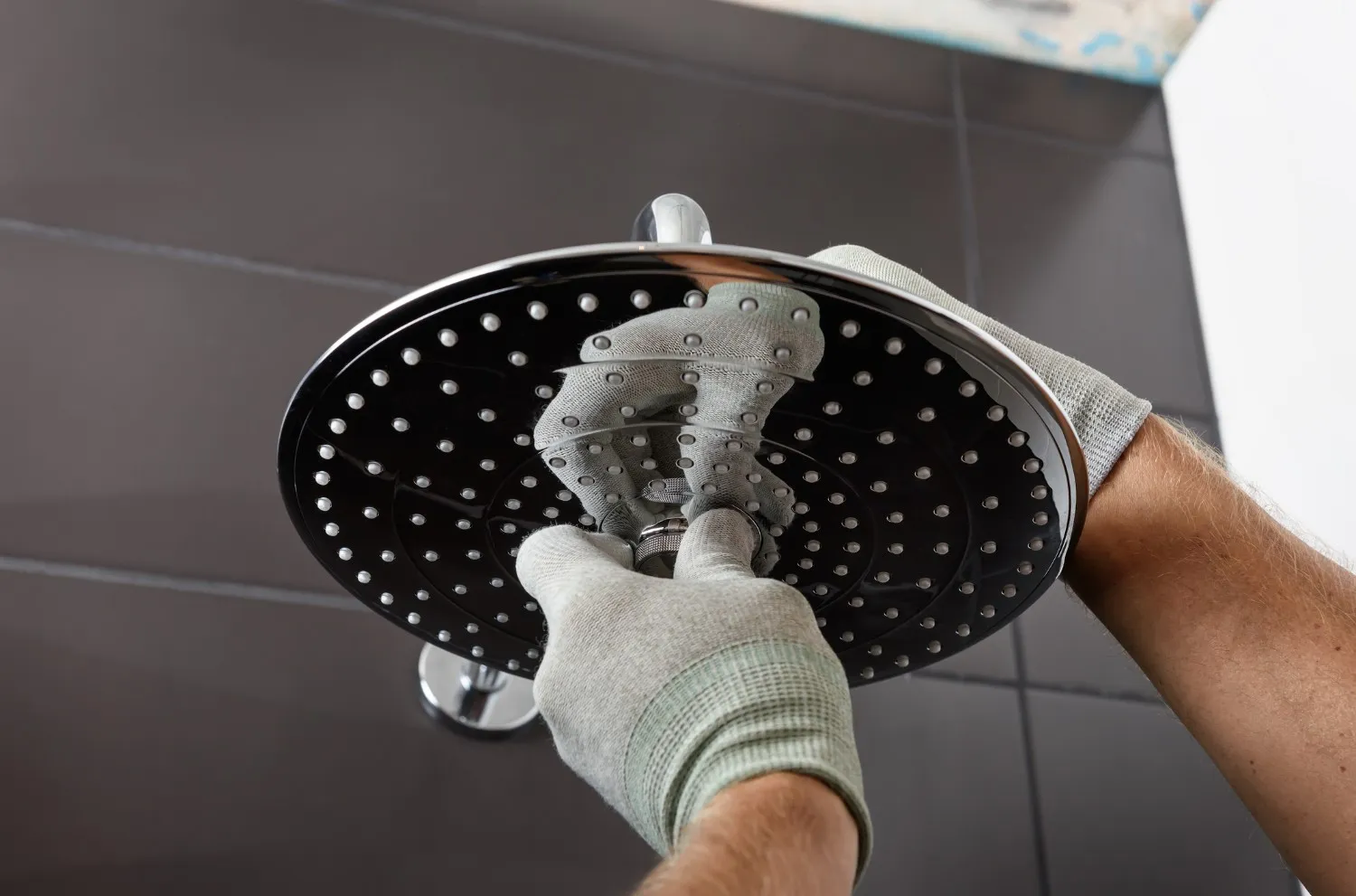
Leaks at the shower valve, showerhead connection, or tub spout can slowly leak water into the wall cavity behind the fixture, often undetected for extended periods.
Poor Shower Pan Installation
For shower floors, an improperly sloped or waterproofed shower pan can allow water to seep beneath the floor rather than draining as intended.
Signs of Hidden Bathroom Water Damage
- Discoloration or staining on the ceiling below a second-floor bathroom
- Soft or spongy flooring near the tub or shower
- Cracked or loose tile, which can indicate water damage to the substrate beneath
- Musty odors in or near the bathroom
- Peeling paint or wallpaper on walls adjacent to the shower
- Visible mold or mildew beyond normal surface growth on tile
Why These Leaks Often Go Undetected So Long
Because the damage occurs behind tile and within wall cavities, homeowners often don't notice anything until secondary symptoms appear — a stain on a ceiling below, a soft spot in adjacent flooring, or a musty smell that seems to come from nowhere specific. By the time these symptoms show up, the leak has often been ongoing for an extended period.
The Restoration Process for Bathroom Water Damage
1. Identifying and Stopping the Leak Source
Before any restoration begins, the specific source of the leak — failed grout, a plumbing connection, or a compromised waterproofing membrane — needs to be identified and repaired.
2. Removing Affected Materials
Damaged tile, drywall, and any water-compromised substrate material typically need to be removed to assess the full extent of the damage and allow proper drying.
3. Drying and Moisture Verification
Industrial drying equipment removes moisture from wall cavities and subflooring, with moisture meters used to verify materials are fully dry before rebuilding.
4. Mold Prevention Treatment
Given the consistent moisture exposure typical of bathroom leaks, treating the area to prevent mold growth is an essential step before restoration continues.
5. Rebuilding and Finishing
This includes proper waterproofing membrane installation, new drywall where needed, tile replacement, and finishing touches like grout, caulk, and paint to restore the bathroom's appearance.
Why Proper Waterproofing Matters During Restoration
A bathroom water damage restoration project is an opportunity to ensure proper waterproofing is in place going forward — addressing not just the visible damage, but the underlying installation issue that allowed the leak to happen in the first place, reducing the risk of a repeat issue.
Preventing Future Bathroom Leaks
- Regularly inspecting and re-caulking grout and seams around tubs and showers
- Addressing any cracked or loose tile promptly, rather than waiting
- Having plumbing fixtures checked periodically for slow leaks
- Ensuring proper ventilation in bathrooms to reduce overall moisture buildup
Why Professional Assessment Is Important
Because bathroom water damage often extends further than what's visible on the surface, a professional assessment ensures the full scope of the damage — including anything hidden within wall cavities or beneath flooring — is properly identified and addressed, rather than simply patching over visible symptoms.
Restoring Your Bathroom the Right Way
A shower or tub leak doesn't have to mean a full bathroom renovation, but it does require thorough restoration to address both the visible damage and the underlying cause. Professional restoration ensures your DFW bathroom is fully repaired, properly waterproofed, and protected against a recurring issue.

Noticing signs of a bathroom leak? Request your free estimate for a thorough assessment and restoration.
KC10 Remodels
Find Us On


