
Hidden Water Damage Under Kitchen Sinks: A Common DFW Problem Homeowners Overlook
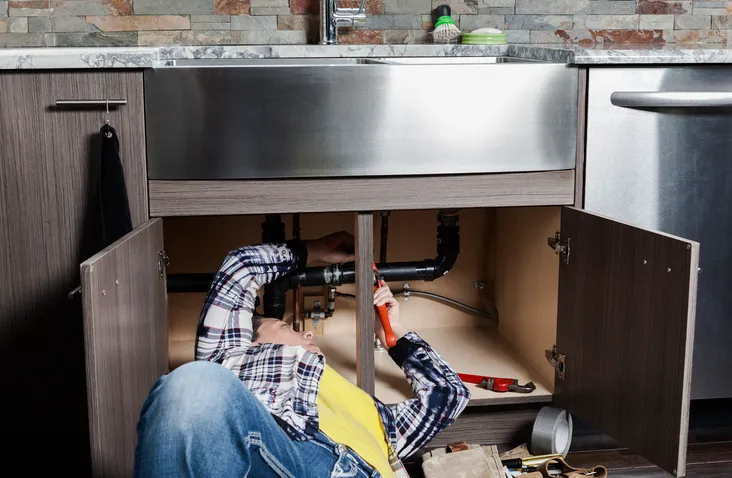
The area beneath a kitchen sink is one of the most common — and most commonly overlooked — sources of hidden water damage in DFW homes. A slow, dripping supply line connection or a slightly loose drain fitting can leak steadily for weeks or months before a homeowner notices anything wrong, often because this space is tucked behind closed cabinet doors and rarely inspected during routine cleaning.
Why Under-Sink Areas Are Prone to Undetected Leaks
Under-sink plumbing involves multiple connection points — supply lines, shut-off valves, drain fittings, and sometimes a garbage disposal or dishwasher connection — any of which can develop a slow leak that drips onto the cabinet floor rather than immediately alerting the homeowner the way a more dramatic leak would.
Common Causes of Under-Sink Leaks
- Loose or corroded supply line connections
- Worn-out shut-off valve seals
- Cracked or degraded drain pipe fittings
- Garbage disposal seal failures
- Dishwasher supply line connections that have loosened over time
Why This Damage Often Goes Unnoticed for Extended Periods
Because this space is enclosed behind cabinet doors and often used for storing cleaning supplies or trash cans rather than regularly inspected, a slow leak can continue for a significant period before the resulting damage — swollen cabinet flooring, a musty smell, or visible mold — becomes noticeable.
Signs of Under-Sink Water Damage
- Swollen, warped, or delaminating cabinet flooring beneath the sink
- A musty odor when opening the cabinet
- Visible mold or mildew on the cabinet interior
- Discoloration on the cabinet's particleboard or plywood flooring
- Water stains extending onto the kitchen floor just outside the cabinet
Why Particleboard Cabinet Flooring Is Particularly Vulnerable
Many kitchen cabinets use particleboard for their base flooring, a material that absorbs water readily and swells significantly when exposed to moisture, often requiring full replacement of the affected section rather than simple drying and repair.
The Restoration Process for Under-Sink Damage
1. Identifying and Repairing the Leak Source
Before addressing the visible damage, the specific plumbing issue causing the leak needs to be repaired to prevent continued moisture exposure.
2. Assessing the Extent of Damage
This includes checking not just the cabinet floor, but whether moisture has spread to adjacent cabinetry, the kitchen floor beneath the cabinet base, or even into the subfloor.
3. Removing Damaged Materials
Swollen or moldy particleboard, cabinet flooring, or affected sections of cabinetry that can't be salvaged are removed.
4. Drying the Area Thoroughly
Industrial drying equipment addresses any moisture that has spread beyond the immediately visible damage, particularly important given how enclosed this space typically is.
5. Mold Prevention
Given how long these leaks often go undetected, treating the area to prevent mold growth is an important step before rebuilding.
6. Repairing and Rebuilding
This includes replacing damaged cabinet flooring or sections, and addressing any affected kitchen flooring if the leak extended beyond the cabinet itself.
Preventing Future Under-Sink Leaks
- Periodically checking under-sink plumbing connections for any signs of moisture, even briefly during routine kitchen cleaning
- Replacing aging supply lines and shut-off valves proactively rather than waiting for failure
- Installing a water leak detection device in this space, which can alert homeowners to moisture before significant damage accumulates
- Avoiding overly cluttered under-sink storage that makes visual inspection more difficult
Why Regular Checks Matter for This Overlooked Space
Because under-sink leaks are so easily missed during normal daily activity, building a habit of occasionally checking this space — moving stored items aside to look for moisture or odors — helps catch problems while they're still minor rather than after they've caused significant cabinet and flooring damage.
Restoring This Overlooked but Important Space
Whether the damage is limited to cabinet flooring or has spread further, professional restoration addresses both the visible damage and any hidden moisture, ensuring your kitchen cabinets and flooring are fully and properly restored.

Noticing signs of under-sink water damage? Contact us today for a thorough assessment and restoration.
KC10 Remodels
Find Us On


