
Home Addition or Remodel? How DFW Homeowners Can Decide What's Right
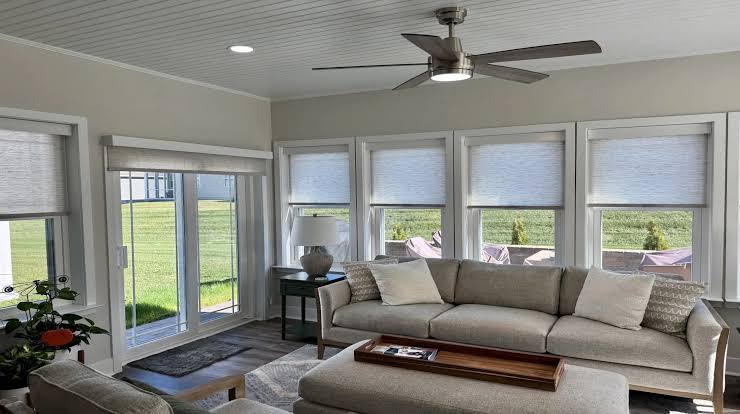
When a DFW home starts to feel like it no longer fits a family's needs — whether due to a growing household, a need for a home office, or simply an outdated layout — homeowners are often faced with a fundamental question: is it better to add square footage with a home addition, or reconfigure the existing space through a remodel? Both paths can solve the underlying problem, but they come with very different costs, timelines, and considerations.
Understanding the Core Difference
A remodel works within your home's existing footprint, reconfiguring layouts, updating finishes, or converting underused space (like a basement or bonus room) into more functional square footage. A home addition, by contrast, expands your home's actual footprint, adding entirely new square footage to the property.
When a Remodel Makes More Sense
You Have Underused Existing Space
If your home has a basement, bonus room, or oversized room that isn't being used efficiently, remodeling that existing space is often more cost-effective than adding new square footage elsewhere.
Your Layout Just Needs Reconfiguring
Sometimes a home has enough square footage overall, but the layout doesn't work well — an awkward kitchen flow, a cramped bathroom, or a poorly divided living area. In these cases, remodeling the existing footprint solves the problem without the cost of expanding the home.
Budget and Timeline Are Primary Concerns
Remodels are typically faster and less expensive than additions, since they don't require new foundation work, roofing, or exterior structural changes.
When a Home Addition Makes More Sense
You Genuinely Need More Square Footage
If your family has outgrown the home's existing footprint entirely — needing an additional bedroom, a larger living area, or dedicated home office space that simply doesn't exist within the current layout — an addition may be the only way to truly solve the space issue.
Your Lot Has Room to Expand
Home additions require adequate lot space and often need to comply with local setback requirements and zoning regulations, which should be confirmed early in the planning process.
You Want to Preserve Existing Functional Spaces
Rather than sacrificing an existing room's function to create a new one, an addition allows you to add space without disrupting what already works well in your home.
Cost Considerations: Addition vs. Remodel
Home additions generally cost more per square foot than remodeling existing space, since they involve foundation work, new roofing, exterior finishes, and often more complex permitting. Remodels, particularly those converting existing space like a basement or garage, typically offer a more budget-friendly path to additional functional square footage.
Timeline Differences
Remodeling existing space is typically faster than a home addition, which requires foundation work, framing, roofing, and exterior finishing before interior work can even begin. Homeowners on a tighter timeline often find remodeling the more practical near-term solution.
Permitting and Zoning Considerations
Home additions typically require more extensive permitting, given the structural and zoning implications of expanding a home's footprint. Remodels involving structural changes (like removing load-bearing walls) also require permits, but the overall permitting process tends to be less involved than a full addition.
Resale Value Considerations
Both additions and remodels can add resale value, but the specific return depends heavily on the local DFW market, the type of space added or improved, and how well the finished result matches buyer expectations in your specific neighborhood.
A Hybrid Approach: Combining Both
In some cases, homeowners choose to combine a smaller addition with a broader remodel of existing space — for example, adding a primary suite while also reconfiguring the existing kitchen layout. This approach allows homeowners to address both space needs and layout issues in a single coordinated project.
Questions to Ask Before Deciding
- Do we need more total square footage, or does our existing space just need to work better?
- What's our realistic budget, and how does that align with addition versus remodel costs?
- How soon do we need this space to be functional?
- Does our lot have room for an addition, and what do local zoning rules allow?
Getting Expert Guidance for Your Specific Situation
Because the right choice depends heavily on your home's existing layout, lot size, budget, and timeline, a professional assessment helps clarify which path actually solves your space needs most effectively — rather than assuming a bigger project (an addition) is always the better solution.
Finding the Right Path Forward
Whether your DFW home needs a thoughtful remodel of existing space or a full addition to accommodate genuinely new square footage, understanding the tradeoffs between cost, timeline, and long-term value helps you make a confident, informed decision.

Weighing an addition against a remodel? Get your free consultation and we'll help you find the right path.
KC10 Remodels
Find Us On


