
How a Clogged AC Drain Line Can Cause Water Damage in Your DFW Home
With DFW summers pushing air conditioning systems hard for months at a time, one of the most common — and most preventable — sources of water damage in North Texas homes doesn't come from a storm or a burst pipe at all. It comes from something as ordinary as a clogged HVAC condensate drain line, which can quietly cause significant damage before most homeowners even notice a problem.
How AC Systems Generate Condensation
Air conditioning systems remove humidity from indoor air as part of the cooling process, and that moisture collects as condensation, which is designed to drain away through a condensate line. In DFW's humid summers, this system works overtime, generating a steady flow of condensation that needs to drain properly to avoid problems.
How Condensate Lines Become Clogged
Over time, algae, mold, dirt, and debris can build up inside a condensate line, gradually restricting or completely blocking the flow of water. Because this happens slowly, many homeowners don't realize there's an issue until water has already backed up and started causing damage.
Where This Water Damage Typically Shows Up
Ceiling Stains Below Attic Units
For homes with HVAC equipment in the attic, a clogged drain line often causes water to overflow the drain pan and leak through the ceiling below, creating visible staining.
Water Damage Near Closet or Utility HVAC Units
For units located in interior closets, overflow can damage flooring, baseboards, and nearby walls before it's noticed.
Mold Growth in Hidden Areas
Because HVAC condensation issues often go undetected for a period of time, the consistent moisture can lead to mold growth in the affected area before the underlying cause is identified.
Signs of an HVAC Condensation Problem
- Water stains on ceilings, particularly below or near attic-mounted HVAC equipment
- A musty smell near HVAC closets or vents
- Visible water or dampness around an indoor HVAC unit
- Reduced cooling performance, which can sometimes accompany a drainage issue
- Mold or mildew growth near the HVAC unit or in the attic
Why This Damage Often Goes Undetected
Because the affected areas — attics, HVAC closets, areas above ceilings — aren't places homeowners regularly inspect, condensation-related water damage can develop for weeks or months before secondary symptoms like ceiling stains become visible enough to notice.
Restoring Areas Damaged by HVAC Condensation
1. Addressing the HVAC Issue First
Before repairing any water damage, the clogged or malfunctioning condensate line needs to be cleared or repaired, or the damage will simply recur.
2. Assessing the Extent of Damage
This includes checking ceiling drywall, insulation, and any flooring or walls near the affected HVAC unit for moisture.
3. Drying Affected Materials
Industrial drying equipment removes moisture from drywall, insulation, and any other affected materials.
4. Mold Prevention Treatment
Given the likely extended moisture exposure before detection, treating the area to prevent mold growth is an important step in the restoration process.
5. Repairing and Restoring
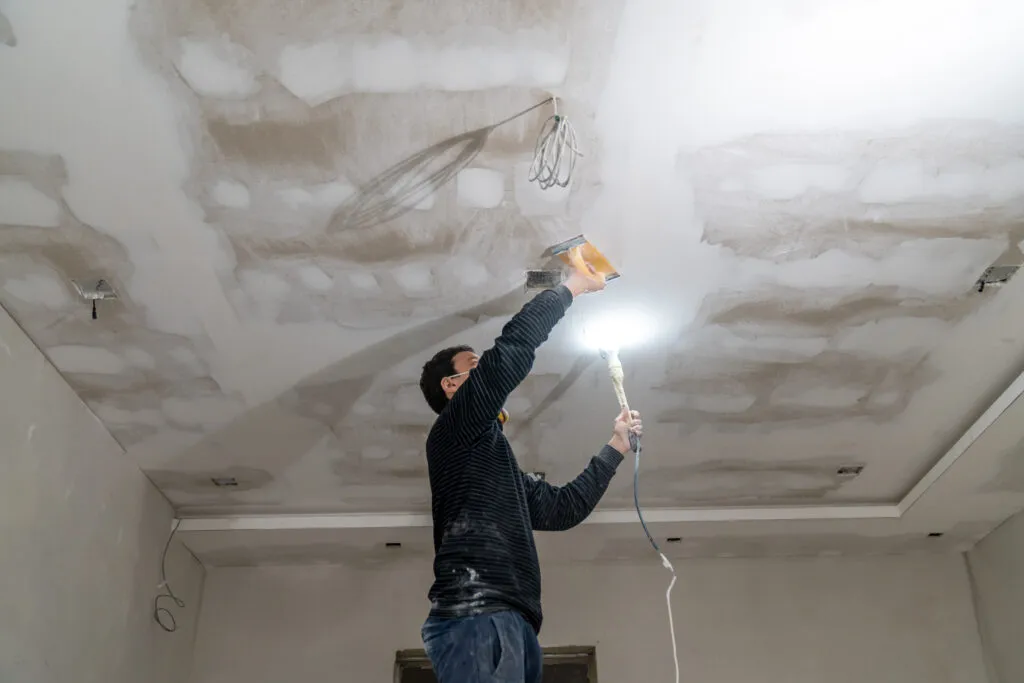
This includes replacing damaged drywall, repainting to match the surrounding area, and restoring any affected flooring or trim.
Preventing Future HVAC Condensation Damage
- Having your HVAC system serviced regularly, including condensate line inspection and cleaning
- Installing a condensate overflow shutoff switch, which stops the AC unit if the primary drain becomes blocked, preventing overflow
- Periodically checking visible condensate lines for signs of algae buildup or slow drainage
- Addressing any unusual sounds, reduced cooling performance, or musty smells promptly
Why This Damage Is Often Overlooked Until It's Significant
Because HVAC systems run constantly through DFW summers, and the affected areas are typically out of sight, condensation-related water damage can become more extensive than homeowners initially expect once it's finally discovered — making prompt attention to any warning signs particularly valuable.
Protecting Your Home From a Preventable Water Damage Source
A clogged AC drain line is one of the more preventable causes of water damage, yet it remains common throughout DFW simply because it's easy to overlook. Regular HVAC maintenance, combined with prompt attention to any warning signs, helps protect your home from this quiet but potentially significant source of damage.

Noticing signs of HVAC-related water damage? Contact us today for a thorough assessment and restoration.
KC10 Remodels
Find Us On


