
How Room Orientation Affects Paint Color Choices in DFW Homes
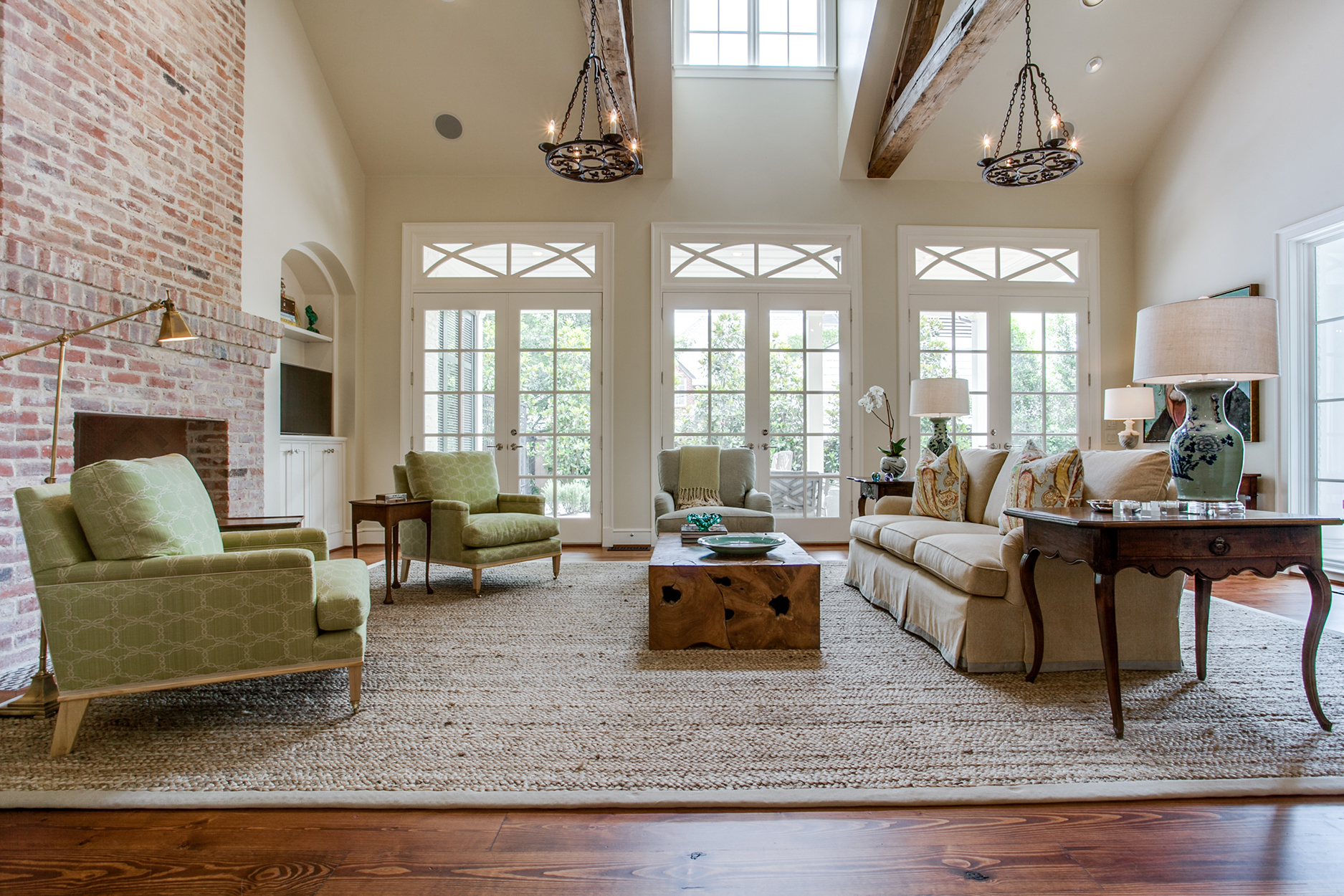
A paint color that looks perfect in a south-facing living room might look completely different — sometimes disappointingly so — in a north-facing bedroom down the hall. The direction a room faces significantly affects the quality and warmth of natural light it receives throughout the day, which in turn changes how any given paint color actually reads once applied.
Why Room Orientation Matters for Paint Color
Natural light varies in color temperature depending on a room's compass orientation, and this affects how warm or cool a paint color appears once on the wall, sometimes shifting a color's perceived tone significantly compared to how it looked on a paint chip under showroom lighting.
South-Facing Rooms
South-facing rooms in DFW typically receive warm, direct sunlight for much of the day, which tends to make colors appear warmer and more saturated than they might in a room with different light exposure. Cooler colors (grays, blues) often read better in south-facing rooms since the warm light naturally balances out any coolness in the paint color itself.
North-Facing Rooms
North-facing rooms receive more consistent, cooler, indirect light throughout the day, without direct sun exposure. This can make colors appear cooler, flatter, or slightly grayer than intended, meaning warmer colors (soft yellows, warm whites, gentle terracottas) often perform better in these rooms to counteract the naturally cooler light.
East-Facing Rooms
East-facing rooms receive warm morning light but cooler, indirect light for the remainder of the day, creating a shift in how colors appear depending on the time of day — a consideration worth testing paint samples for at both morning and evening hours.
West-Facing Rooms
West-facing rooms receive intense, warm afternoon and evening light, particularly pronounced during DFW's long summer days, which can make colors appear notably warmer and more saturated during these hours compared to morning light.
Why Testing Samples in the Actual Room Matters So Much
Because orientation affects color so significantly, testing paint samples directly in the specific room — rather than relying on how a color looked in a different room or on a small chip under artificial light — is one of the most important steps in avoiding an unexpected result once a full room is painted.
Adjusting for Rooms With Limited Natural Light
Interior rooms or those with minimal window exposure (regardless of orientation) benefit from careful consideration of artificial lighting as well, since these spaces will rely more heavily on interior light fixtures to illuminate the chosen color throughout the day.
Balancing Orientation With Personal Preference
While orientation provides useful guidance, personal color preference still matters — a homeowner who loves a particular cool gray shouldn't necessarily abandon it just because a room faces north; understanding how the orientation will affect that color's appearance simply helps set realistic expectations and may inform slight adjustments to the specific shade chosen.
How Professional Painters Approach This Consideration
An experienced painting contractor can help evaluate how a room's specific light exposure will affect a chosen color, offering guidance on whether a color needs slight adjustment (warmer or cooler within the same general shade) based on the room's orientation.
Choosing Colors That Work With Your Home's Actual Light
Understanding how your DFW home's room orientations affect natural light — and testing colors accordingly — helps ensure the final painted result actually matches what you envisioned, rather than an unexpected surprise once the full room is complete.

Planning a painting project and want guidance on color for your specific rooms? Get your free estimate today.
KC10 Remodels
Find Us On


