
How to Budget for a Whole-Home Renovation in DFW
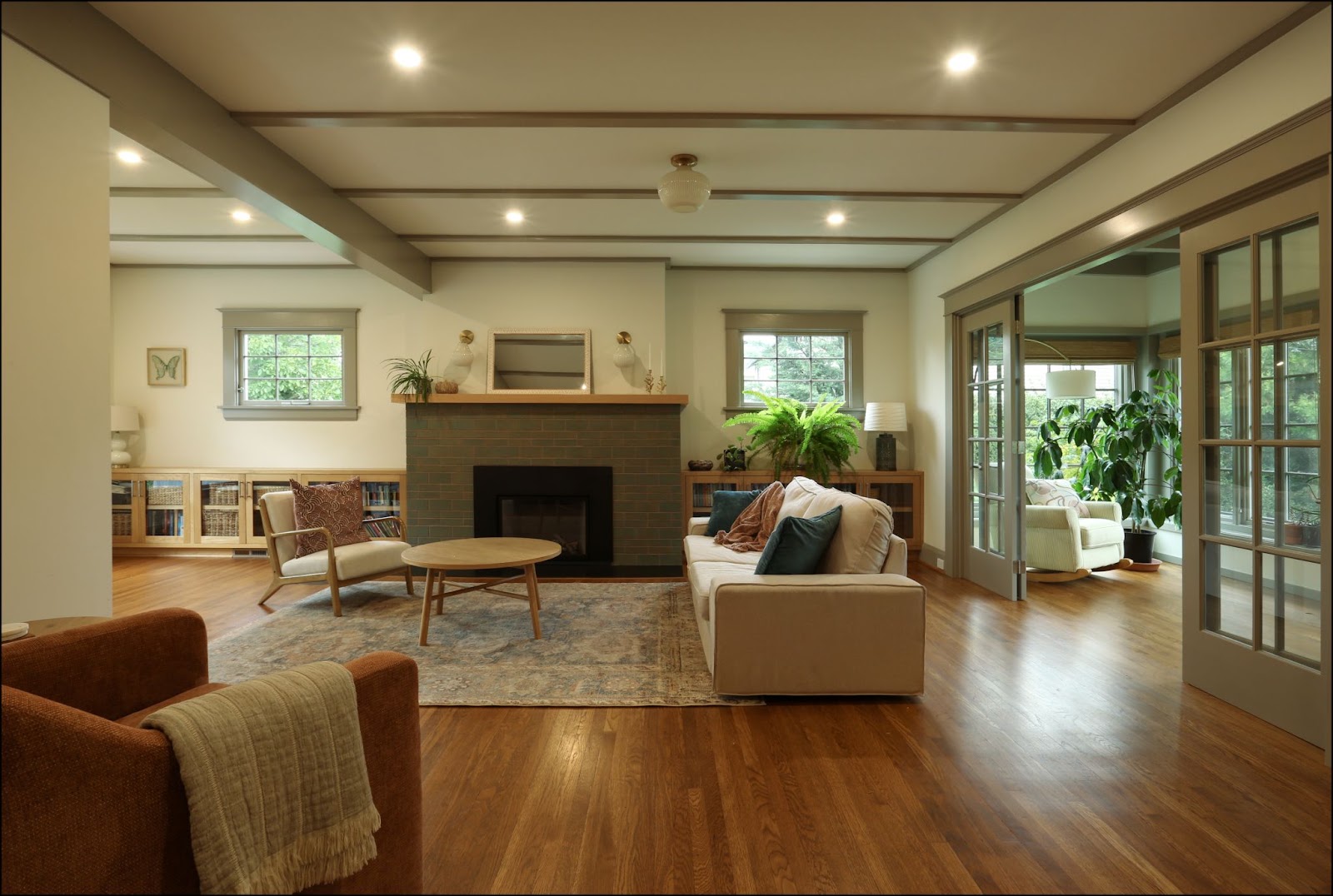
A whole-home renovation is one of the biggest financial and logistical undertakings a homeowner can take on, and one of the most common reasons these projects run into trouble isn't poor craftsmanship — it's an unrealistic budget set before the full scope of the project was properly understood. For DFW homeowners planning a comprehensive renovation, building a realistic budget from the start is the single most important step toward a smooth, successful project.
Why Whole-Home Renovation Budgets Are Different
Unlike a single-room remodel, a whole-home renovation involves coordinating multiple trades, phases, and material selections simultaneously — which means more opportunities for costs to shift as the project unfolds. A realistic budget needs to account for this complexity from the beginning, rather than treating it as an afterthought.
Start With Clear Priorities
Before assigning dollar amounts, it helps to rank priorities across the home:
- Which rooms or areas matter most to your daily life?
- Are there structural or functional issues that need to be addressed regardless of cosmetic preferences?
- Which updates are purely aesthetic versus which improve how the home actually functions?
Having this priority list helps guide budget allocation if costs need to be adjusted partway through planning.
Building in a Contingency Fund
Whole-home renovations almost always uncover surprises once walls are opened — outdated wiring, plumbing that doesn't meet current code, or water damage that wasn't visible beforehand. Most experienced renovators recommend setting aside an additional percentage of the total budget specifically as a contingency fund for these unexpected discoveries, rather than assuming the initial estimate will cover everything without adjustment.
Understanding Where Renovation Costs Typically Go
Structural and Systems Work
Plumbing, electrical, and HVAC updates often represent a significant portion of a whole-home renovation budget, particularly in older DFW homes where these systems may need updating to meet current standards.
Kitchen and Bathroom Renovations
These rooms typically carry the highest per-square-foot cost of any area in the home, due to plumbing, cabinetry, and higher-end finish expectations.
Flooring
Whole-home flooring replacement adds up quickly across multiple rooms, and material choice (hardwood, tile, luxury vinyl) significantly affects overall cost.
Painting and Finishing Touches
While a smaller percentage of the overall budget compared to structural work, painting and finish details are what tie the whole renovation together visually.
Phasing a Whole-Home Renovation
Not every whole-home renovation needs to happen all at once. Some DFW homeowners choose to phase their renovation — tackling the kitchen and primary living areas first, for example, followed by bathrooms and secondary bedrooms in a later phase — to spread out both the cost and the disruption over a longer timeline.
Getting Accurate Estimates Before Finalizing Your Budget
A detailed, room-by-room estimate from a remodeling contractor — rather than a rough overall guess — is essential for building an accurate budget. This should include material costs, labor, and a realistic timeline for each phase of the project.
Common Budgeting Mistakes to Avoid
- Setting a budget based on rough online estimates rather than an actual in-home assessment
- Failing to account for a contingency fund for unexpected issues
- Underestimating how structural or systems work (plumbing, electrical) can affect overall cost
- Choosing finishes before confirming they fit within the realistic budget for the project's full scope
- Not accounting for the cost of temporary living arrangements if portions of the home become unusable during construction
Balancing Wish List Items With Budget Reality
It's natural to have a long list of desired updates when planning a whole-home renovation, but prioritizing which items are essential versus which are nice-to-have helps keep the project financially manageable — especially once contingency costs and structural surprises are factored in.
Working With a Contractor Who Communicates Clearly on Cost
Throughout a whole-home renovation, costs can shift as unexpected issues are discovered. Working with a remodeling contractor who communicates transparently about these changes — rather than surprising you with costs after the fact — makes the entire process far less stressful.
Setting Your Renovation Up for Success
A realistic, well-planned budget doesn't just protect your finances — it protects the entire renovation timeline and final result. Taking the time to build an accurate, detailed budget before construction begins is one of the most valuable steps toward a whole-home renovation that stays on track from start to finish.

Planning a whole-home renovation? Get your free consultation and let's build a realistic plan together.
KC10 Remodels
Find Us On


