
How to Prevent Mold Growth After Water Damage in Your DFW Home
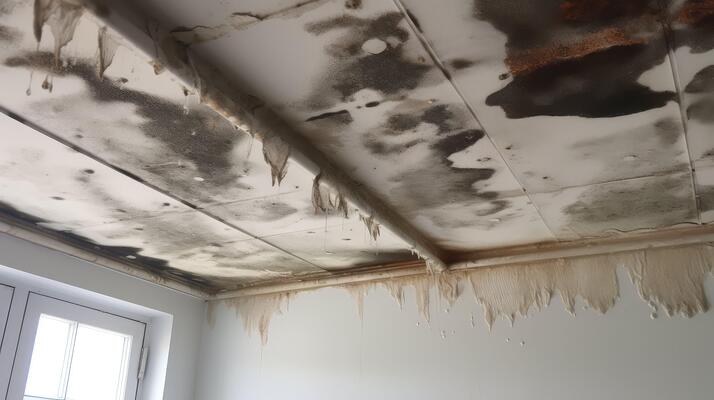
Water damage and mold growth are closely linked, and in DFW's humid climate, that connection moves fast. Mold spores are present in the air almost everywhere, and all they need to start growing is moisture, warmth, and organic material to feed on — conditions that water-damaged drywall, insulation, and flooring provide almost perfectly. Understanding how mold develops after water damage — and what stops it — is essential for anyone dealing with a leak, flood, or plumbing failure.
How Quickly Mold Can Develop
In warm, humid conditions like those common throughout much of the year in North Texas, mold can begin developing within 24 to 48 hours of water exposure. This is why the timeline between discovering water damage and beginning proper drying and mitigation matters so much — every extra day of moisture sitting in walls or flooring increases the risk of mold taking hold.
Where Mold Tends to Develop After Water Damage
- Behind drywall, where moisture can linger even after surfaces appear dry
- Under flooring and subflooring, especially with wood or laminate materials
- Inside wall insulation, which retains moisture longer than exposed surfaces
- In HVAC systems, if condensation or water intrusion affected ductwork
- Around baseboards and in corners, where air circulation is limited
Why Surface-Level Drying Isn't Enough
A common mistake after water damage is drying visible surfaces and assuming the problem is resolved. However, moisture often penetrates deeper into wall cavities, subflooring, and insulation — areas that can remain damp long after the surface feels dry to the touch. Professional restoration uses moisture meters and specialized equipment to verify that materials are fully dry throughout, not just on the surface.
The Role of Dehumidification in Mold Prevention
Industrial-grade dehumidifiers and air movers are used during restoration to actively remove moisture from the air and affected materials, rather than relying on natural air drying, which is often too slow to prevent mold growth in DFW's humidity.
Materials That May Need to Be Removed
In some cases, materials that absorbed significant moisture — certain types of insulation, drywall, or flooring — can't be fully dried to a safe level and need to be removed rather than dried in place, to eliminate any risk of hidden mold growth behind a repaired surface.
Signs Mold May Already Be Present
If water damage wasn't addressed quickly, watch for:
- A persistent musty odor, even after the area appears dry
- Visible spotting or discoloration on walls, ceilings, or baseboards
- Increased allergy symptoms or respiratory irritation when in the affected area
- Soft, warped, or bubbling surfaces
If any of these signs are present, a professional mold assessment should be conducted before simply repainting or patching over the area.
Preventing Mold During the Restoration Process
A thorough water damage restoration process is designed specifically to prevent mold from ever taking hold:
- Fast water extraction to remove standing water immediately
- Full moisture assessment using meters to check materials beyond the visible surface
- Industrial drying equipment to remove moisture from walls, flooring, and air
- Antimicrobial treatment applied to affected areas as a preventive measure
- Removal of unsalvageable materials that retained too much moisture to fully dry
- Verification testing to confirm materials are fully dry before rebuilding
Why DIY Water Cleanup Often Falls Short
Homeowners who handle water cleanup themselves often stop once surfaces look and feel dry, without the moisture meters or industrial equipment needed to verify that hidden moisture isn't lingering behind walls or under flooring — which is exactly how preventable mold problems develop weeks after a leak seemed resolved.
Protecting Your DFW Home Long-Term
Because of the region's humidity, any home that has experienced water damage benefits from thorough, verified drying — not just a quick surface cleanup. Professional restoration doesn't just fix the visible damage; it addresses the conditions that would otherwise allow mold to take hold, protecting both your property and your indoor air quality.

Worried about mold after water damage? Contact us today for thorough water damage restoration and mold prevention.
KC10 Remodels
Find Us On


