
Kitchen Accent Walls: Adding Personality Beyond Cabinet Color in DFW Homes
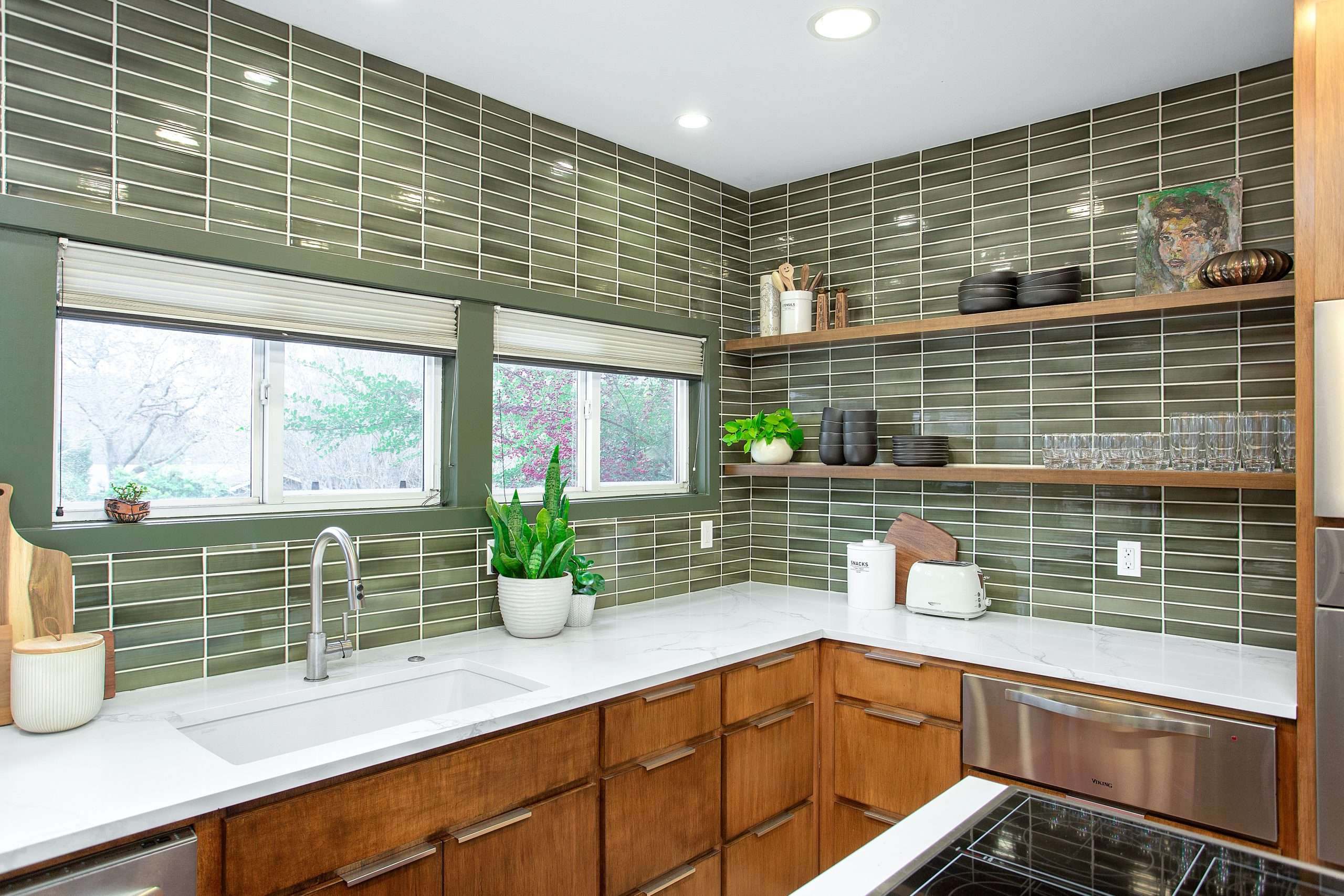
Kitchens tend to get most of their personality from cabinet color and backsplash choices, but a well-placed accent wall offers another opportunity to add depth and character to the space — particularly for open-concept kitchens where a dining nook, breakfast bar, or open shelving wall provides a natural canvas for a bolder color choice.
Why Kitchen Accent Walls Have Gained Popularity
As open-concept layouts have become standard, kitchens increasingly flow directly into dining and living areas, creating more visible wall space that isn't covered by cabinetry or appliances. This has opened up new opportunities for homeowners to introduce color and personality into a space that might otherwise be dominated entirely by cabinet finishes.
Where Kitchen Accent Walls Work Best
Behind a Breakfast Nook or Banquette
A bolder color behind a built-in seating area creates a defined, cozy dining zone within an open kitchen layout.
Around Open Shelving
Painting the wall behind open shelving in a contrasting or complementary color helps the shelving and displayed items stand out as an intentional design feature.
A Kitchen Peninsula or Half-Wall
For kitchens with a peninsula or partial wall separating the space from an adjoining room, this surface offers a natural spot for an accent treatment visible from multiple angles.
Behind a Range or Cooking Wall
If the range wall isn't fully covered by tile or a backsplash, this area can serve as a focal point with a bolder paint color, particularly in kitchens with limited upper cabinetry on that wall.
Choosing Colors That Complement Cabinetry
The key to a successful kitchen accent wall is ensuring it complements rather than competes with your cabinet color. General approaches include:
- Choosing a deeper shade of the same color family as your cabinets for a tonal, cohesive look
- Selecting a warm accent (terracotta, rust, warm gold) to complement cool-toned white or gray cabinetry
- Using a deep, moody color (navy, forest green, charcoal) as a grounding contrast against lighter cabinetry
Considering Your Kitchen's Overall Color Story
Before committing to an accent wall, it helps to consider all the fixed colors already in the space — countertops, backsplash, flooring, and cabinetry — to ensure the new accent wall ties everything together rather than introducing a color that clashes with existing finishes.
Accent Walls vs. Full Kitchen Color Changes
An accent wall offers a lower-commitment way to introduce bolder color into a kitchen compared to painting cabinetry or repainting the entire room, making it a good option for homeowners who want to experiment with color without a full kitchen renovation.
Practical Considerations for Kitchen Walls
Because kitchen walls can be exposed to some grease and moisture, even accent walls should generally use a satin or semi-gloss finish rather than flat paint, ensuring the surface remains washable and durable over time.
Pairing Accent Walls With Other Kitchen Updates
Many homeowners introduce a kitchen accent wall alongside other updates — new hardware, a refreshed backsplash, or cabinet refinishing — as part of a broader kitchen refresh, rather than as an entirely standalone project.
Adding Character Without a Full Renovation
A well-chosen kitchen accent wall is one of the more affordable ways to add personality and visual interest to a space that might otherwise feel neutral or predictable, especially in open-concept DFW homes where the kitchen flows directly into other living areas.

Interested in adding an accent wall to your kitchen? Get your free estimate today.
KC10 Remodels
Find Us On


