
Painting or Flooring First? Getting the Renovation Sequence Right for Your DFW Home
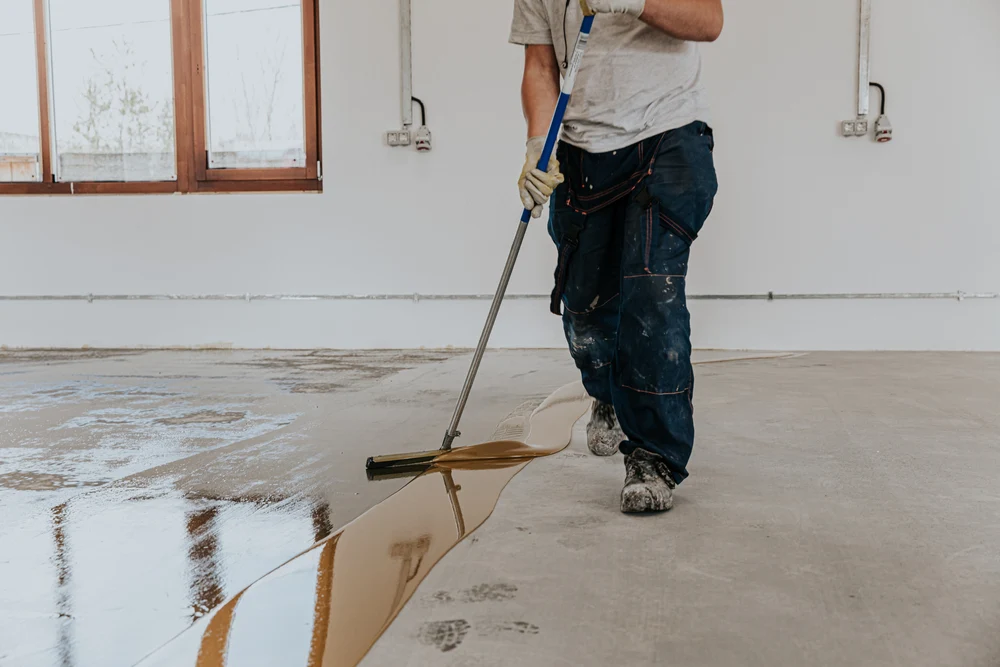
When a renovation involves both new flooring and fresh paint, one of the most common questions homeowners ask is which should happen first. Getting the sequence wrong doesn't just cause extra hassle — it can lead to paint drips and scuffs on brand-new flooring, or freshly painted walls damaged during flooring installation. Understanding the right order protects both investments.
The General Rule: Paint First, Then Flooring
In most renovation scenarios, painting should happen before new flooring is installed. This allows painters to work without excessive concern about protecting brand-new floors from drips, ladder scuffs, or paint splatter, and any minor overspray or drips on old flooring simply don't matter since that flooring is being replaced anyway.
Why This Order Protects Your New Flooring
New flooring — whether hardwood, tile, or luxury vinyl — represents a significant investment, and protecting it from paint drips, ladder marks, or foot traffic during a messy painting project is far more difficult than simply painting before the new floor goes in.
Exceptions Where Flooring First Makes Sense
When Existing Flooring Will Remain
If you're only painting and not replacing flooring in a particular room, obviously the existing floor needs to be protected during painting rather than sequenced around new installation.
Certain Flooring Types Requiring Wall Access
Some flooring installations, like certain tile or hardwood applications, may require baseboard removal, which sometimes makes sense to coordinate with trim painting happening at the same time.
Touch-Up Painting After Flooring
Even when painting happens first, minor touch-ups to baseboards or lower wall areas are often needed after flooring installation, since new flooring installation can occasionally scuff or mark the lowest few inches of freshly painted walls or trim.
Coordinating Baseboards With This Sequence
Baseboards present a particular sequencing question, since they sit at the exact intersection of walls and flooring. Many contractors recommend installing baseboards after flooring but painting them either before installation (for the main coat) with a final touch-up coat after both flooring and baseboard installation are complete.
Protecting Walls During Flooring Installation
Even when painting happens first, flooring installation can still risk wall damage — from tools, materials being moved, or installers working close to walls. Using proper wall protection during flooring installation and planning for potential minor touch-ups afterward helps manage this risk.
Why This Sequencing Question Matters for Budget and Timeline
Renovation projects that don't carefully plan this sequence sometimes end up needing to repaint sections of wall or trim that were damaged during a later phase of work, adding unplanned cost and time to what should have been a straightforward project.
Coordinating Multiple Contractors on the Same Timeline
For renovations involving separate painting and flooring contractors, clear communication about sequencing and scheduling helps avoid situations where one trade's work interferes with or damages the other's completed work.
Planning Your Renovation Sequence From the Start
Whether you're tackling a single room refresh or a whole-home renovation involving both new flooring and fresh paint throughout, planning the correct sequence from the beginning protects both investments and helps the overall project move more efficiently from start to finish.
Getting Expert Guidance on Renovation Sequencing
A contractor experienced in coordinating multiple trades on a single renovation project can help plan the right sequence for your specific combination of painting, flooring, and any other work involved, ensuring each phase protects rather than damages the work that came before it.

Planning a renovation involving both painting and flooring? Get your free consultation to plan the right sequence for your project.
KC10 Remodels
Find Us On


