
Patching Drywall After Plumbing or Electrical Repairs in Your DFW Home
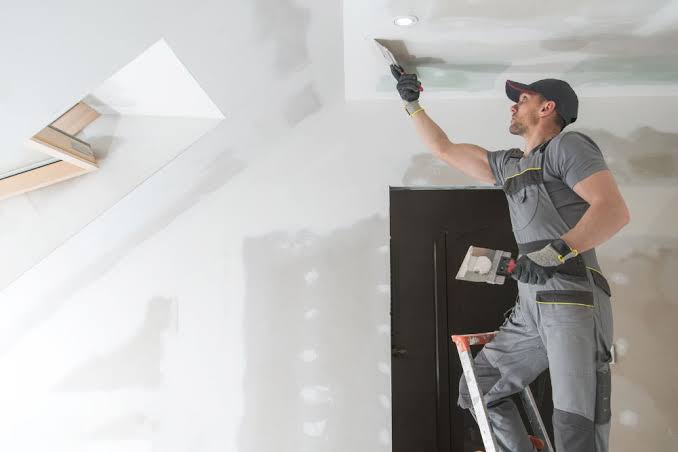
Plumbing and electrical repairs often require cutting into drywall to access pipes or wiring, leaving behind an access hole that needs proper repair once the underlying work is complete. For DFW homeowners who've just had a plumber or electrician finish a repair, understanding what comes next — and why it matters — helps ensure the wall is fully restored rather than left with a visible, unfinished patch.
Why Access Holes Are a Normal Part of Plumbing and Electrical Repairs
Plumbers and electricians often need direct access to pipes or wiring running inside wall cavities, and cutting a clean access opening in the drywall is typically the most efficient way to reach these areas without unnecessary additional demolition.
What Happens After the Underlying Repair Is Complete
Once the plumbing or electrical issue itself has been resolved, the access hole in the drywall needs to be properly patched, textured, and painted to restore the wall to its original condition — a step that's sometimes handled by the plumber or electrician themselves, but often requires a more finished result than these trades typically provide.
Why Plumbers and Electricians Aren't Always the Best Fit for This Repair
While many plumbing and electrical companies offer some level of drywall patching as part of their service, this typically isn't their primary specialty, and the resulting patch may not include proper texture matching or a fully seamless, paint-ready finish compared to what a dedicated drywall repair specialist provides.
The Repair Process for Plumbing and Electrical Access Holes
1. Assessing the Opening
Confirming the size and location of the access hole, and whether any additional damage occurred during the original cutting process.
2. Patching the Hole
For larger openings, a drywall patch is cut to fit, secured with backing material, and blended with joint compound; smaller holes may be filled directly with compound.
3. Taping and Mudding
Multiple thin coats of joint compound are applied over the patch and surrounding seams, sanded smooth between each application.
4. Texture Matching
The repaired area is textured to match the surrounding wall or ceiling, whether that's smooth, orange peel, knockdown, or another texture style.
5. Priming and Painting
The finished patch is primed and painted to blend seamlessly with the surrounding wall color.
Common Locations for These Access Repairs
- Behind or near sinks and toilets, where plumbing access is frequently needed
- Near electrical panels or outlets, where wiring repairs sometimes require wall access
- Ceiling areas below bathrooms or kitchens, where plumbing runs between floors
- Walls near water heaters or HVAC equipment, where related plumbing or electrical work is common
Coordinating Timing Between Trades
For homeowners managing a repair that involves both a plumber or electrician and a drywall repair specialist, coordinating timing so the drywall repair happens promptly after the underlying work is completed helps avoid an extended period with an open or temporarily patched wall.
Why Texture Matching Matters Even for Small Access Holes
Even a small, single access hole repair can stand out if the texture doesn't match the surrounding wall, particularly under certain lighting. Professional texture matching ensures these repairs blend in seamlessly rather than leaving a visible, mismatched patch.
Restoring Your Wall to Its Original Condition
After a necessary plumbing or electrical repair, having the resulting drywall access hole properly patched and texture-matched restores your wall to a fully finished condition — no visible reminder of the repair work that happened behind it.

Have an access hole from recent plumbing or electrical work? Request your free estimate today.
KC10 Remodels
Find Us On


