
Protecting DFW Homes From Burst Pipes During Winter Freezes
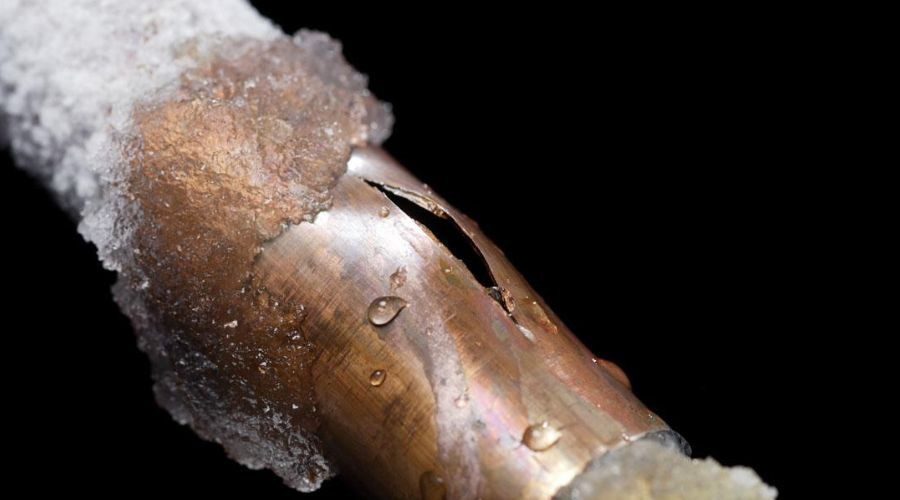
North Texas doesn't experience winter the way northern states do, but that's exactly what makes occasional deep freezes so damaging — homes here often aren't built with the same level of pipe insulation and freeze protection as homes in consistently cold climates, leaving DFW properties particularly vulnerable when temperatures drop sharply for even a short period.
Why DFW Homes Are More Vulnerable to Freeze Damage
Because extreme cold is relatively infrequent in North Texas, many homes have plumbing lines running through attics, exterior walls, or crawl spaces with less insulation than homes built for consistently colder climates. When a hard freeze does occur, these underprepared pipes are at real risk of freezing and bursting.
How Freezing Causes Pipes to Burst
As water freezes inside a pipe, it expands, building pressure inside the pipe. This pressure, rather than the ice itself, is typically what causes a pipe to crack or burst — often not at the exact frozen spot, but at a weaker point in the pipe where the built-up pressure eventually finds a way to release.
Common Locations for Freeze-Related Pipe Bursts
- Pipes running through unheated attics
- Plumbing along exterior walls, particularly on the north-facing side of a home
- Exposed outdoor spigots and the pipes connected to them
- Pipes in garages, which are often less insulated than the main living space
- Crawl space plumbing in homes with this type of foundation
Signs of a Frozen or Burst Pipe
- No water coming from a faucet, or significantly reduced water pressure
- Visible frost on an exposed pipe
- Unusual sounds — banging or clanking — in the plumbing system
- Water stains appearing on ceilings or walls once a frozen pipe thaws and begins leaking
- Water pooling in unexpected areas after a freeze event
Preventing Frozen and Burst Pipes
Insulating Exposed Pipes
Pipe insulation sleeves on exposed plumbing, particularly in attics, garages, and along exterior walls, provide an added layer of protection during freeze events.
Allowing Faucets to Drip During Extreme Cold
Keeping a small trickle of water flowing during a hard freeze relieves some pressure buildup and keeps water moving rather than sitting still and freezing.
Opening Cabinet Doors Under Sinks
Opening cabinets beneath sinks on exterior walls allows warmer household air to reach the plumbing, reducing freeze risk for these often more exposed pipes.
Disconnecting Outdoor Hoses and Insulating Spigots
Removing garden hoses and using insulated spigot covers protects these particularly vulnerable outdoor connection points.
Sealing Drafts Near Plumbing
Sealing gaps or drafts near where pipes run through exterior walls or foundations reduces cold air infiltration that can contribute to freezing.
Restoring a Home After a Burst Pipe
1. Stopping the Water Source
Shutting off the home's main water supply is the immediate first step once a burst pipe is discovered.
2. Repairing the Damaged Pipe
The burst section of pipe needs to be repaired or replaced before water service is restored.
3. Extracting Water and Assessing Damage
Standing water is removed, and the extent of damage to drywall, flooring, and any affected areas is assessed.
4. Drying and Mold Prevention
Industrial drying equipment addresses moisture in affected materials, with treatment applied to prevent mold growth given the potential extent of water spread from a burst pipe.
5. Repairing and Restoring
Damaged drywall, flooring, and finishes are repaired and restored to their original condition.
Why Freeze Damage Can Be More Extensive Than Expected
Because burst pipes often occur in less-visible locations like attics or wall cavities, and sometimes aren't discovered until the frozen section thaws (which can be hours or even days after the initial freeze), water damage from a burst pipe can spread more extensively than homeowners initially realize before the leak is caught.
Preparing Your DFW Home for the Next Freeze Event
Given how infrequently North Texas experiences hard freezes, it's easy for freeze prevention to fall off a homeowner's radar between events — but taking a few preventive steps before winter weather arrives can meaningfully reduce the risk of costly pipe burst damage.

Dealing with freeze-related pipe damage, or want to prepare before the next cold snap? Contact us today for assessment, repair, or preventive guidance.
KC10 Remodels
Find Us On


