
Refrigerator Water Line Leaks: A Sneaky Cause of Kitchen Water Damage in DFW Homes
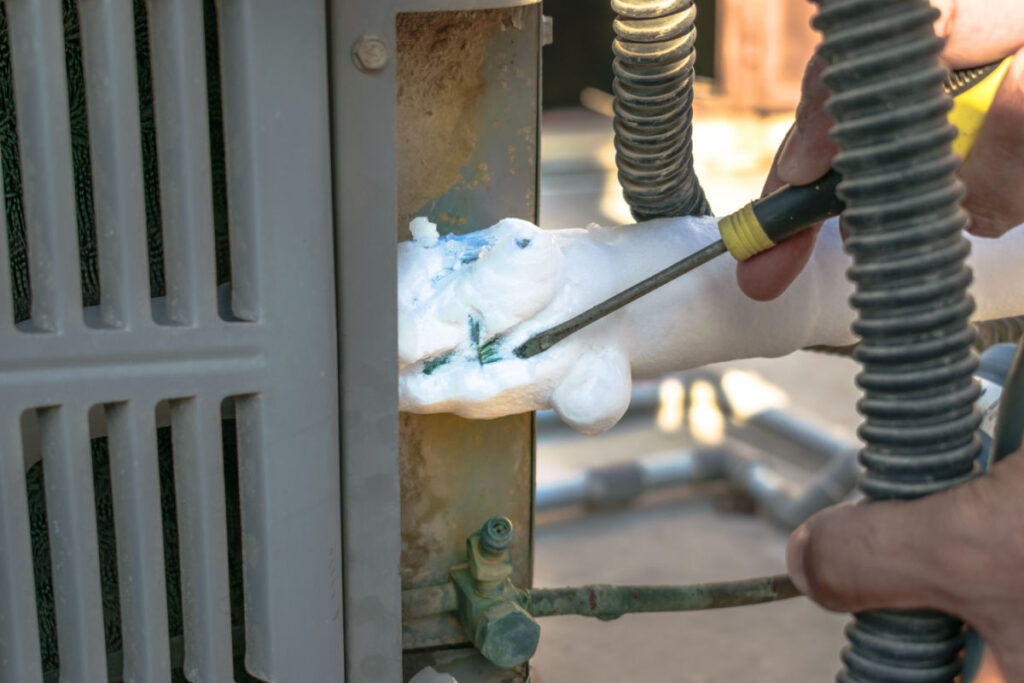
The thin plastic or copper supply line running behind a refrigerator to power its ice maker and water dispenser is easy to forget about entirely — until it develops a slow leak that goes unnoticed for an extended period behind an appliance that rarely gets pulled away from the wall for inspection.
Why Refrigerator Water Lines Are Prone to Failure
These supply lines, particularly the thinner plastic tubing common in many installations, can become brittle over time, develop small cracks at connection points, or get pinched or damaged when a refrigerator is moved during cleaning or a kitchen update, all without becoming immediately obvious to the homeowner.
Why This Leak Location Is So Easy to Miss
Refrigerators are rarely moved for inspection, and the space behind them is typically dark, tucked against a wall, and not part of any regular household maintenance routine — meaning a slow drip can continue for weeks or months, gradually damaging flooring and cabinetry before symptoms become noticeable elsewhere in the kitchen.
Signs of a Refrigerator Water Line Leak
- Warped, discolored, or spongy flooring near or beneath the refrigerator
- A musty smell near the refrigerator area
- Visible water stains on flooring extending from behind the appliance
- Mold or mildew visible if the refrigerator is pulled away from the wall
- In more advanced cases, damage extending to adjacent cabinetry
The Restoration Process for Refrigerator Leak Damage
1. Repairing the Supply Line
The damaged or leaking water line connection needs to be repaired or replaced first to stop ongoing moisture exposure.
2. Assessing the Full Extent of Damage
This includes checking the flooring both directly beneath the refrigerator and extending outward, since water can travel along subflooring before becoming visible at the surface.
3. Removing Damaged Flooring
Flooring materials that have absorbed too much water to fully dry — particularly common with certain laminate or engineered wood products — are removed.
4. Drying the Subfloor
Industrial drying equipment addresses any moisture that has penetrated into the subfloor beneath the visible flooring.
5. Mold Prevention
Given how long these leaks often go undetected, treating the area to prevent mold growth is an important restoration step.
6. Repairing and Replacing Flooring
New flooring matching the surrounding material is installed to restore the kitchen's appearance.
Preventing Refrigerator Water Line Leaks
- Periodically pulling the refrigerator away from the wall to visually check the supply line and surrounding floor for any signs of moisture
- Replacing older plastic supply lines with more durable braided stainless steel lines, which are significantly more resistant to cracking and failure
- Being cautious when moving the refrigerator during cleaning or other kitchen work to avoid pinching or damaging the supply line
Why This Damage Often Surprises Homeowners
Because the refrigerator itself blocks direct view of the leak and surrounding damage, many homeowners are genuinely surprised by the extent of flooring or cabinet damage once the appliance is finally moved for another reason — a kitchen remodel, appliance replacement, or the leak finally becoming significant enough to notice from a distance.
Restoring Your Kitchen After a Refrigerator Leak
Whether the damage is limited to the flooring directly beneath the refrigerator or has spread to adjacent areas, professional restoration addresses both the visible damage and any hidden moisture, ensuring your DFW kitchen is fully and properly restored.

Discovered water damage from a refrigerator or ice maker leak? Contact us today for a thorough assessment and restoration.
KC10 Remodels
Find Us On


