
Reimagining the Formal Living Room for How DFW Families Live Today
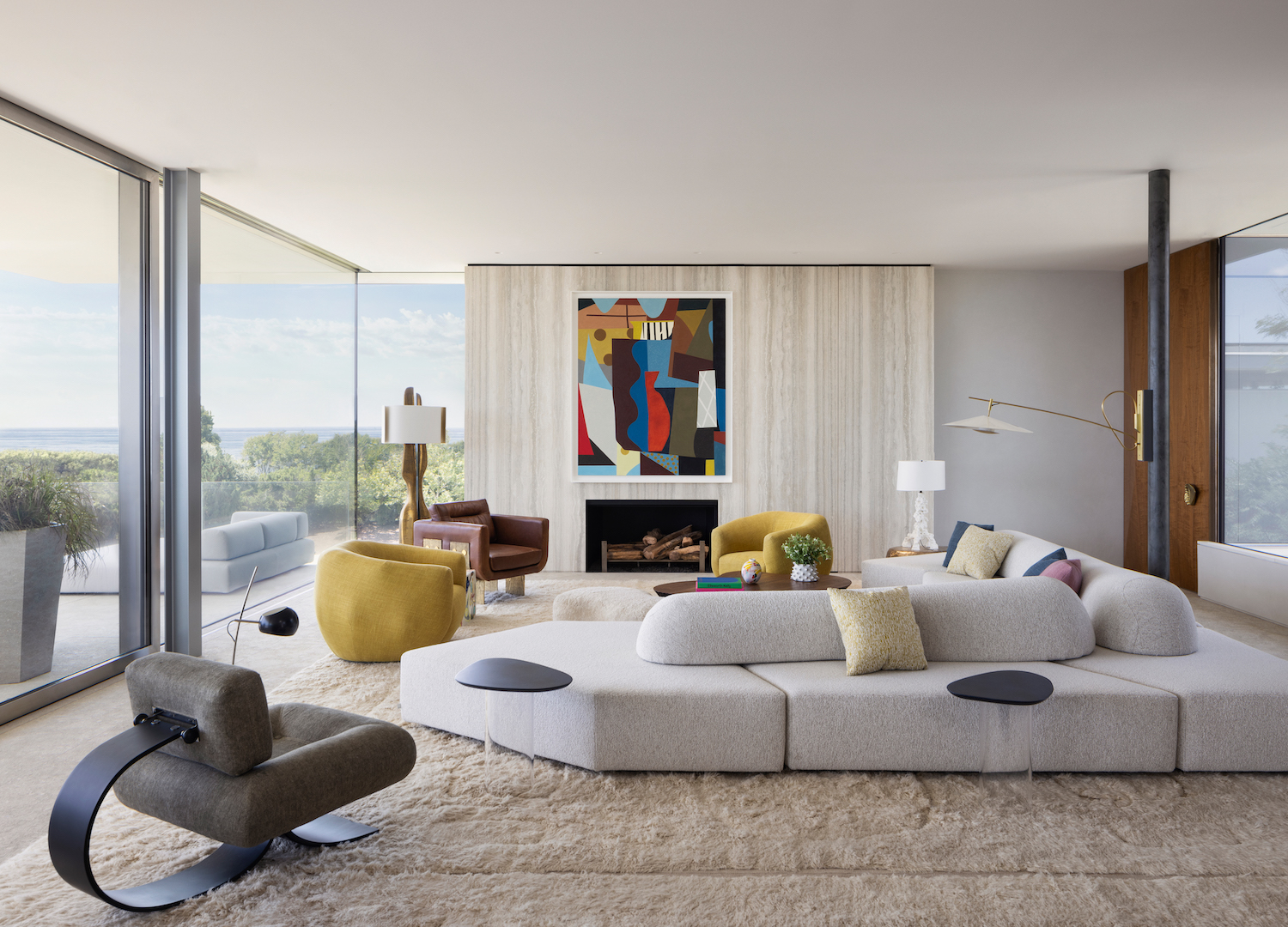
Similar to formal dining rooms, many DFW homes feature a separate formal living room — a more traditional, often less-used space distinct from the family's everyday family room or great room. As open-concept, casual living has become the dominant preference, homeowners are increasingly looking at ways to make this underused space earn its keep.
Why Formal Living Rooms Often Sit Underused
Households frequently gravitate toward a more casual family room or open-concept living area for everyday relaxation, leaving the formal living room reserved for guests or special occasions — meaning it often functions more as a showpiece than genuinely lived-in space.
Popular Ways to Reimagine a Formal Living Room
A Genuine Second Living Space
Rather than treating it as strictly formal, some homeowners simply update the room's furniture and decor to feel more casual and inviting, encouraging actual everyday use rather than reserving it for special occasions.
Home Office or Study
Converting the formal living room into a dedicated home office takes advantage of its often quieter location, sometimes near the home's entrance, separate from more active family living areas.
Music or Hobby Room
For homeowners with a specific hobby — a piano, an art studio setup, or a dedicated craft space — the formal living room's separate, defined nature makes it well-suited to this kind of focused-use conversion.
Library or Reading Room
Similar to formal dining room conversions, a formal living room's architectural character can lend itself nicely to a cozy, book-focused space.
Open Concept Integration
In some cases, particularly if the formal living room is adjacent to the main living area, homeowners choose to open up the wall between the two spaces entirely, effectively eliminating the formal/casual living room divide and creating one larger, more functional open space.
What This Type of Remodel Typically Involves
Furniture and Layout Changes
For a simpler conversion focused on encouraging more casual, everyday use, updating furniture to more comfortable, family-friendly pieces alongside fresh paint often achieves the desired shift without major construction.
Structural Wall Removal
For homeowners choosing to open the formal living room into an adjacent space, this involves the same wall assessment, potential structural support, and drywall finishing work as any other wall removal project.
Flooring and Finish Updates
Depending on the new intended use, flooring, paint colors, and trim details may need updating to better suit the room's new purpose.
Considering How the Space Connects to the Rest of the Home
Because formal living rooms are often positioned near a home's entrance, their conversion can significantly affect first impressions when guests arrive — worth considering alongside whatever new function the space serves for daily family use.
Balancing Everyday Function With Occasional Formal Needs
Some households prefer a conversion approach that still allows for some degree of formal use — a home office with furniture that could accommodate guests during a larger gathering, for example — rather than eliminating the possibility of formal use entirely.
Why This Conversion Often Delivers Strong Everyday Value
Similar to formal dining room conversions, transforming an underused formal living room into genuinely functional, frequently-used space often provides some of the strongest day-to-day quality-of-life improvement relative to the project's typical scope and cost.
Making Every Room in Your Home Work for You
For DFW families with a formal living room that rarely gets used the way it was originally intended, a thoughtful remodel or simple functional shift can transform this space into something the household actually benefits from on a daily basis, rather than a room that mostly sits waiting for company that visits only a few times a year.

Considering a formal living room conversion or remodel? Get your free consultation today.
KC10 Remodels
Find Us On


