
Repairing Water-Damaged Baseboards and Trim in DFW Homes
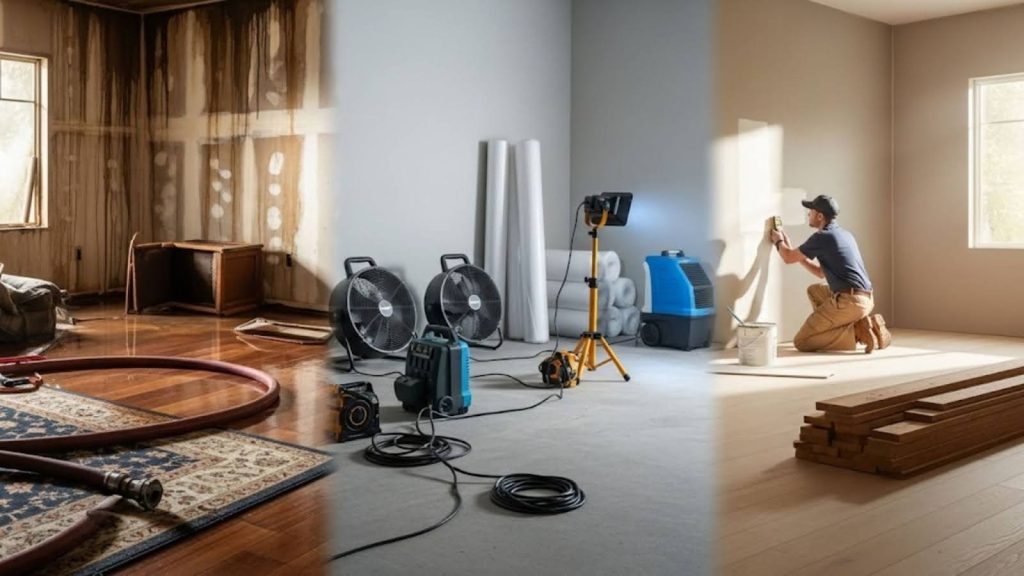
Baseboards and trim are frequently the first place water damage becomes visible in a home, since they sit at floor level where water naturally pools or wicks upward from a leak, spill, or flooding event. While the trim damage itself might seem minor compared to drywall or flooring issues, addressing it properly is an important part of any thorough water damage restoration.
Why Baseboards Show Water Damage First
Baseboards are typically made from wood or MDF (medium-density fiberboard), both of which absorb moisture readily, and their position directly at floor level means they're often the first surface to make contact with water from a leak, appliance failure, or flooring-level moisture intrusion.
Common Causes of Baseboard Water Damage
- Slow leaks from nearby plumbing that go undetected for a period of time
- Water damage from flooring-related moisture, such as a failed dishwasher or washing machine
- Water intrusion from exterior sources, such as a failed window or door seal
- Standing water from a broader flooding event affecting the lower portion of walls throughout a room
Signs of Water-Damaged Baseboards and Trim
- Visible swelling or warping, particularly noticeable in MDF baseboards, which absorb moisture more readily than solid wood
- Peeling or bubbling paint along the baseboard
- Discoloration or staining
- A soft, spongy feel when pressed
- Separation from the wall, where the baseboard has pulled away due to swelling or warping
Why MDF Baseboards Are Particularly Vulnerable
Many homes use MDF baseboards rather than solid wood, since MDF is more affordable and provides a smooth, consistent surface for painting. However, MDF absorbs water more readily than solid wood and, once significantly water-damaged, typically cannot be dried and restored — it generally needs to be replaced rather than repaired.
The Baseboard and Trim Repair Process
1. Assessing the Damage
Determining whether the baseboard material can be dried and repaired (more likely with solid wood) or needs full replacement (more likely with MDF).
2. Removing Damaged Sections
Water-damaged baseboard sections that can't be salvaged are removed, along with any affected shoe molding or quarter round.
3. Checking for Damage Behind the Baseboard
Since baseboards sit directly against the wall, it's important to check whether moisture has also affected the drywall behind and above the baseboard line before proceeding with trim repair.
4. Installing New Baseboard
New baseboard matching the existing profile and material is cut, installed, and secured in place.
5. Caulking and Filling
Gaps between the new baseboard and wall, and any nail holes, are caulked and filled for a seamless finish.
6. Priming and Painting
The new baseboard section is primed and painted to match the surrounding trim throughout the room.
Why Addressing the Root Cause Matters First
Replacing water-damaged baseboards without first identifying and repairing the underlying moisture source simply means the new trim will face the same risk of damage. Confirming the leak or moisture issue has been fully resolved is an essential first step before trim repair begins.
Matching New Trim to Existing Profiles
For a seamless repair, matching the exact baseboard profile, height, and material used throughout the rest of the room (or home) ensures the repaired section doesn't stand out as an obvious, mismatched patch once complete.
Why This Detail Matters for a Complete Restoration
While baseboard damage might seem like a minor cosmetic issue compared to drywall or flooring repair, leaving warped or stained trim in place after a larger water damage restoration undermines the overall quality of the finished result — it's a detail that draws the eye precisely because it sits at eye level along the floor.
Completing Your Water Damage Restoration Properly
A thorough water damage restoration addresses every affected surface, including the often-overlooked baseboards and trim that show the first visible signs of moisture damage in a room.

Have water-damaged baseboards or trim? Request your free estimate for repair and restoration.
KC10 Remodels
Find Us On


