
Roof Leaks vs. Flashing Failures: Understanding the Difference for DFW Homeowners
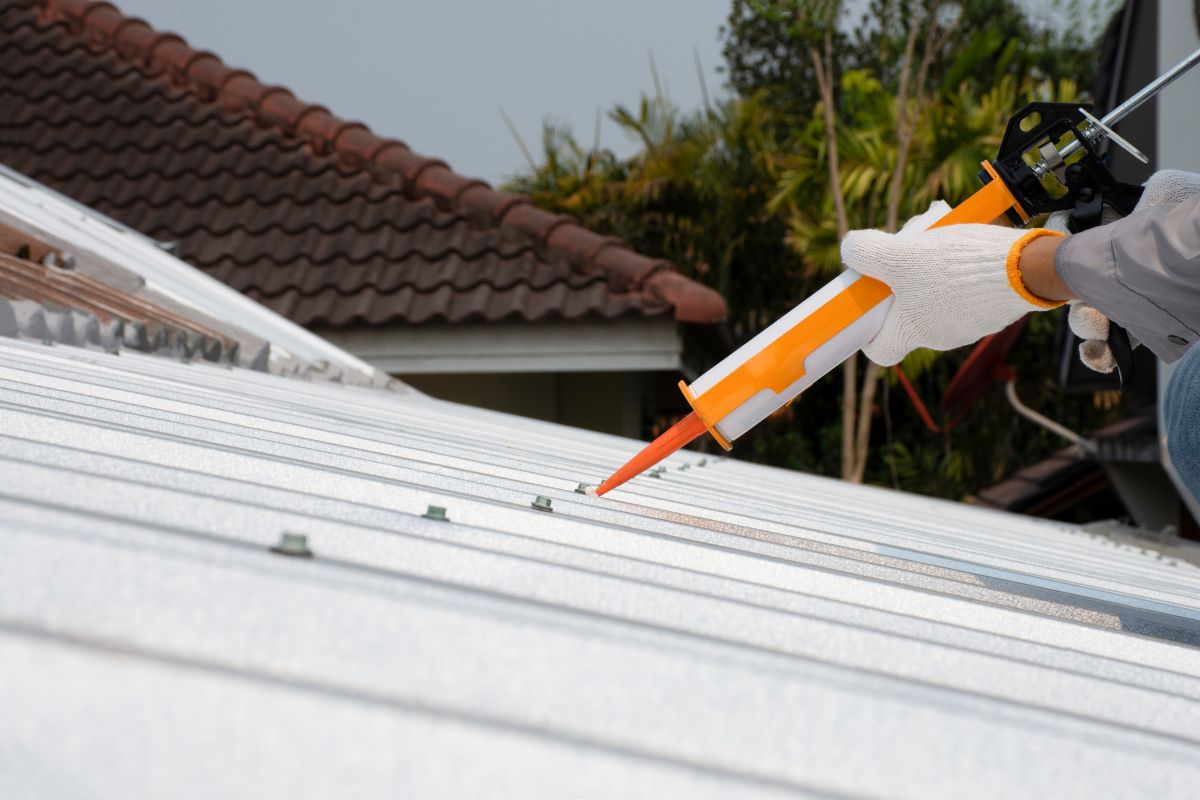
When water damage appears on a ceiling, most homeowners assume it's simply "a roof leak" — but the actual source is often more specific, and understanding the difference between a leak from damaged shingles versus a flashing failure helps ensure the right repair actually stops the problem rather than just patching the symptom.
What Is Roof Flashing?
Flashing refers to the thin metal (or sometimes rubber) material installed at roof transitions and penetrations — around chimneys, vent pipes, skylights, and where different roof planes meet — designed to direct water away from these vulnerable junction points. While shingles handle water on flat roof planes, flashing is what protects the more complex transition areas.
Why Flashing Failures Are So Common
Flashing is exposed to the same UV exposure and temperature extremes as the rest of the roof, but because it's typically a different material than shingles (often metal), it can expand and contract at a different rate, gradually working loose, developing gaps, or corroding over time — particularly around older or improperly installed flashing.
Common Locations for Flashing-Related Leaks
- Around chimneys, where flashing forms a critical seal between the chimney and roof surface
- Around plumbing and roof vent pipes, where flashing collars can crack or deteriorate over time
- Where two roof planes meet at a valley, directing significant water flow through this junction
- Around skylights, where improperly sealed or aging flashing is a common leak source
- Where a roof meets a wall, such as where a lower roof section meets a second-story wall
Distinguishing Flashing Leaks from Shingle Damage
Shingle-Related Leaks
Typically occur across broader areas of the roof, often connected to missing, cracked, or curling shingles, or granule loss from aging materials.
Flashing-Related Leaks
Tend to be more localized, appearing near specific features like chimneys, vents, or valleys, rather than spread across a large section of roof.
Why This Distinction Matters for Repair
Repairing or replacing shingles won't fix a flashing failure, and vice versa — identifying the actual source of a leak is essential to ensure the repair addresses the real problem rather than a related but different roofing component.
Signs of a Flashing-Related Leak Inside the Home
- Water stains that appear specifically near a chimney, skylight, or vent pipe location on the ceiling
- Leaks that seem to correspond with heavy, wind-driven rain rather than every rain event
- Staining that appears in a fairly consistent, localized spot rather than spreading broadly
The Restoration Process for Flashing-Related Water Damage
1. Identifying and Repairing the Flashing Issue
This typically requires a roofing professional to assess and repair or replace the failed flashing at its specific location.
2. Assessing Interior Damage
Once the leak source is addressed, the extent of interior damage — ceiling drywall, insulation, and any affected framing — needs to be evaluated.
3. Drying Affected Areas
Industrial drying equipment addresses any trapped moisture in drywall, insulation, or framing near the affected area.
4. Mold Prevention
Given that flashing leaks can sometimes go undetected for a period of time, treating the area to prevent mold growth is an important restoration step.
5. Repairing and Refinishing
Damaged drywall is repaired, textured to match, and repainted to restore the ceiling or wall to its original appearance.
Why Addressing the Roofing Component First Is Essential
Repairing interior water damage without first fixing the underlying flashing issue simply means the damage will return with the next significant rain event. Coordinating roofing repair with interior restoration ensures the problem is actually resolved, not just cosmetically covered.
Getting to the Real Source of the Problem
Whether your DFW home's water intrusion stems from aging shingles or a failed flashing seal around a chimney or vent, correctly identifying the source is the essential first step toward a restoration that actually solves the problem rather than requiring repeated repairs.

Dealing with a suspected roof or flashing leak? Contact us today for a thorough assessment and restoration.
KC10 Remodels
Find Us On


