
Sewage Backup in Your DFW Home: Why It Requires a Different Restoration Approach
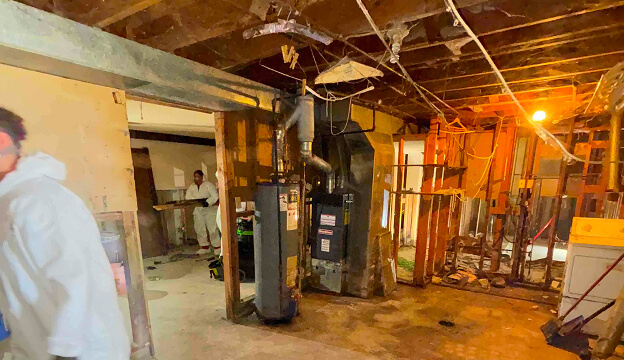
Not all water damage is created equal, and sewage backup represents one of the more serious categories homeowners can face. Unlike a clean water leak from a supply line, sewage backup introduces contaminated water into a home, requiring a different, more rigorous restoration approach to protect both the property and the health of anyone living there.
What Causes Sewage Backups in DFW Homes
- Sewer line blockages — tree root intrusion, grease buildup, or debris causing wastewater to back up into the home
- Municipal sewer system overload — during heavy storms, municipal systems can become overwhelmed, causing backups into connected homes
- Aging sewer lines — older DFW homes may have sewer lines more prone to cracks, collapse, or blockages
- Septic system failures — for homes on septic systems, failures can cause similar backup issues
Why Sewage Water Is Categorized Differently
Water damage restoration professionals typically categorize water into three levels: clean water, gray water (from sources like washing machines or dishwashers), and black water, which includes sewage and is considered contaminated with bacteria, viruses, and other pathogens. Sewage backup falls into this most serious category, requiring specialized handling.
Health Risks Associated With Sewage Backup
Contaminated water from a sewage backup can carry bacteria, viruses, and parasites that pose real health risks if not handled properly. This is why sewage cleanup isn't a DIY-appropriate project — proper personal protective equipment, containment, and disposal procedures are necessary to protect anyone involved in the cleanup process.
Materials That Typically Cannot Be Saved
Due to contamination risk, many materials affected by sewage backup need to be removed and disposed of rather than cleaned and dried, including:
- Carpet and carpet padding
- Drywall that absorbed contaminated water
- Insulation
- Porous materials that can't be fully disinfected
Hard, non-porous surfaces can often be cleaned and disinfected, but porous materials generally cannot be safely salvaged once exposed to sewage-contaminated water.
The Sewage Cleanup and Restoration Process
1. Containment
The affected area is contained to prevent contamination from spreading to unaffected parts of the home.
2. Extraction
Contaminated water is safely extracted and removed from the property.
3. Removal of Contaminated Materials
Affected drywall, flooring, insulation, and other porous materials that cannot be safely disinfected are removed and properly disposed of.
4. Cleaning and Disinfecting
Remaining surfaces are thoroughly cleaned and disinfected using appropriate antimicrobial treatments.
5. Drying
Industrial drying equipment ensures the area is fully dry before any rebuilding begins.
6. Rebuilding and Restoration
New drywall, flooring, and finishes are installed to restore the affected area to its original condition.
Why Sewage Backup Isn't a DIY Cleanup Situation
Between the health risks of exposure to contaminated water and the specialized disposal requirements for affected materials, sewage backup cleanup requires proper safety equipment and disposal knowledge that goes beyond typical household cleaning supplies and methods.
Preventing Future Sewage Backups
- Having sewer lines periodically inspected, particularly in older homes with mature trees nearby that could cause root intrusion
- Being mindful of what's flushed or drained to avoid contributing to blockages
- Installing a backwater valve, which can help prevent municipal sewer backups from entering the home during heavy storm events
- Addressing any slow drains or gurgling sounds promptly, as these can be early warning signs of a developing blockage
Insurance Considerations for Sewage Backup
Standard homeowners insurance policies often don't automatically cover sewage backup damage, sometimes requiring a specific sewer backup endorsement or rider. Reviewing your policy or contacting your insurer directly helps clarify what coverage applies before you need it.
Restoring Your Home Safely and Thoroughly
Sewage backup is one of the more serious water damage scenarios a DFW homeowner can face, but proper professional restoration addresses both the visible damage and the underlying contamination risk, ensuring your home is safely and thoroughly restored rather than just cosmetically repaired.

Dealing with a sewage backup? Contact us today for safe, thorough restoration.
KC10 Remodels
Find Us On


