
Storm Season Prep: How DFW Homeowners Can Reduce Water Damage Risk
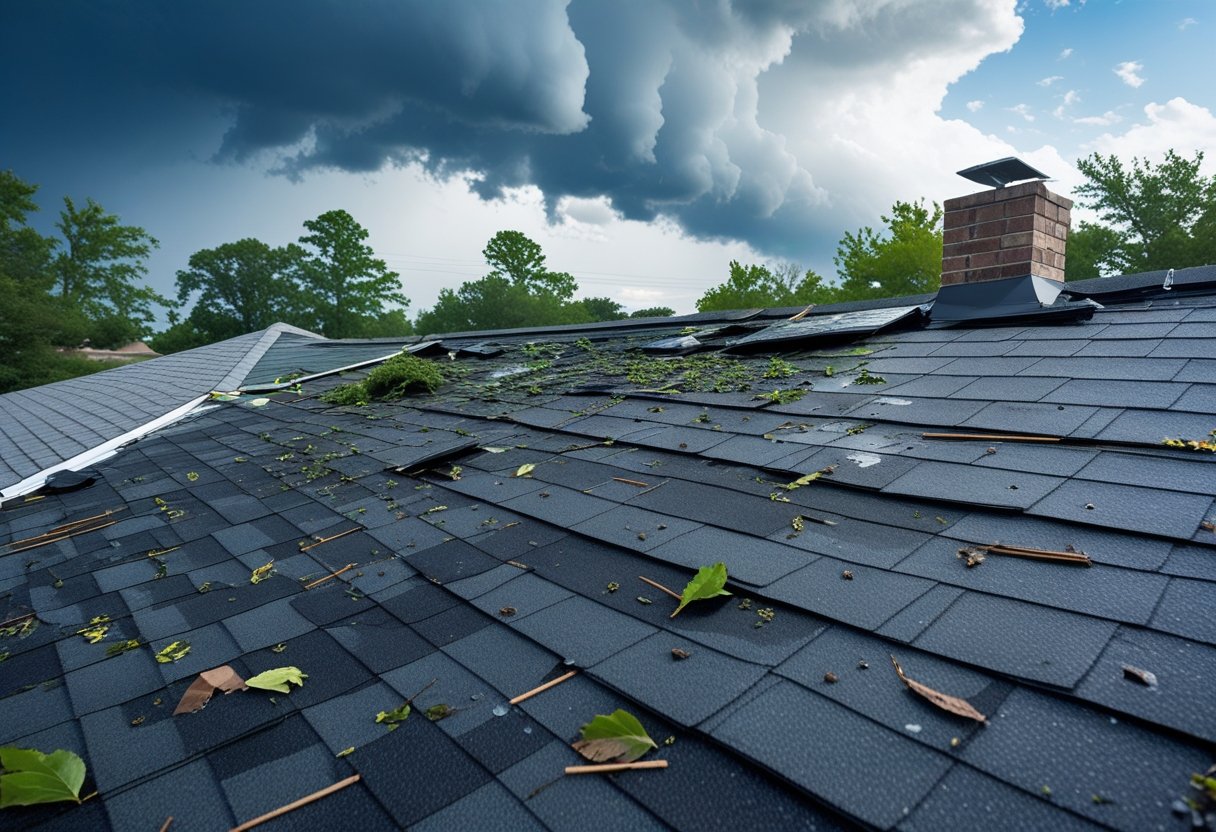
North Texas storm season brings heavy rain, high winds, and occasionally hail — all conditions that put homes at risk for water intrusion. While not every storm-related water issue is preventable, DFW homeowners can take several proactive steps before severe weather season to significantly reduce the risk of water damage and the costly repairs that come with it.
Why DFW Storm Season Is Particularly Risky
Spring and early summer bring the highest concentration of severe weather to North Texas — heavy rainfall, strong winds, and hail that can compromise roofing, siding, and window seals. Homes that already have minor vulnerabilities (aging roofing, clogged gutters, or small foundation cracks) are especially at risk once storm conditions hit.
Roof Inspection: Your First Line of Defense
The roof is the most common entry point for storm-related water damage. Before storm season, it's worth having a roof inspected for:
- Missing, cracked, or curling shingles
- Damaged flashing around chimneys, vents, and skylights
- Signs of previous hail damage that may have gone unnoticed
- Areas where granule loss suggests aging shingles nearing the end of their lifespan
Catching these issues before a major storm hits is far less costly than dealing with an active leak during or after severe weather.
Gutter and Drainage Maintenance
Clogged gutters are one of the most preventable causes of water damage. When gutters can't properly direct water away from the home, water can back up under roofing materials or pool near the foundation. Before storm season, homeowners should:
- Clear debris from gutters and downspouts
- Ensure downspouts direct water at least several feet away from the foundation
- Check that gutters are properly attached and sloped for effective drainage
Foundation Grading and Drainage
Water pooling near a home's foundation — whether from poor grading or inadequate drainage — increases the risk of water seeping into lower levels or crawl spaces during heavy rain. Checking that the ground slopes away from the foundation and addressing any areas where water tends to collect can meaningfully reduce storm-related water intrusion risk.
Window and Door Seals
Gaps or deteriorated caulking around windows and doors allow wind-driven rain to penetrate during storms. A quick inspection and re-caulking where needed is a simple, low-cost way to reduce this risk before severe weather arrives.
Sump Pumps and Backup Systems
For homes with basements or crawl spaces prone to water intrusion, ensuring sump pumps are functioning properly — and considering a battery backup in case of power loss during a storm — adds an extra layer of protection during severe weather events.
HVAC and Condensate Line Maintenance
While less directly tied to storms, ensuring HVAC condensate lines are clear going into the humid summer months helps prevent a separate, common source of water damage that often gets overlooked during storm prep.
What to Do When Storm Damage Occurs Despite Prep
Even with proactive maintenance, severe storms can still cause damage. If water intrusion occurs:
- Document the damage with photos as soon as it's safe to do so
- Address active leaks or standing water as quickly as possible
- Contact your insurance company to begin the claims process
- Bring in a professional restoration team to assess and begin drying affected areas
Why Prevention Is Worth the Effort
Storm-related water damage repairs can range from a straightforward drywall patch to significant structural and mold remediation work, depending on how quickly the issue is caught and addressed. A few hours of preventive maintenance — clearing gutters, inspecting the roof, checking seals — meaningfully reduces the odds of facing a major, costly repair after the next big DFW storm.
Preparing Now for What's Ahead
Storm season in North Texas isn't a question of if, but when. Taking preventive steps now, before severe weather arrives, puts DFW homeowners in a much stronger position to avoid the kind of water damage that turns into weeks of repair work and disruption.

Want a professional assessment before storm season hits? Contact us today to get ahead of potential water damage risks.
KC10 Remodels
Find Us On


