
Washing Machine and Appliance Leaks: A Common Source of Water Damage in DFW Homes
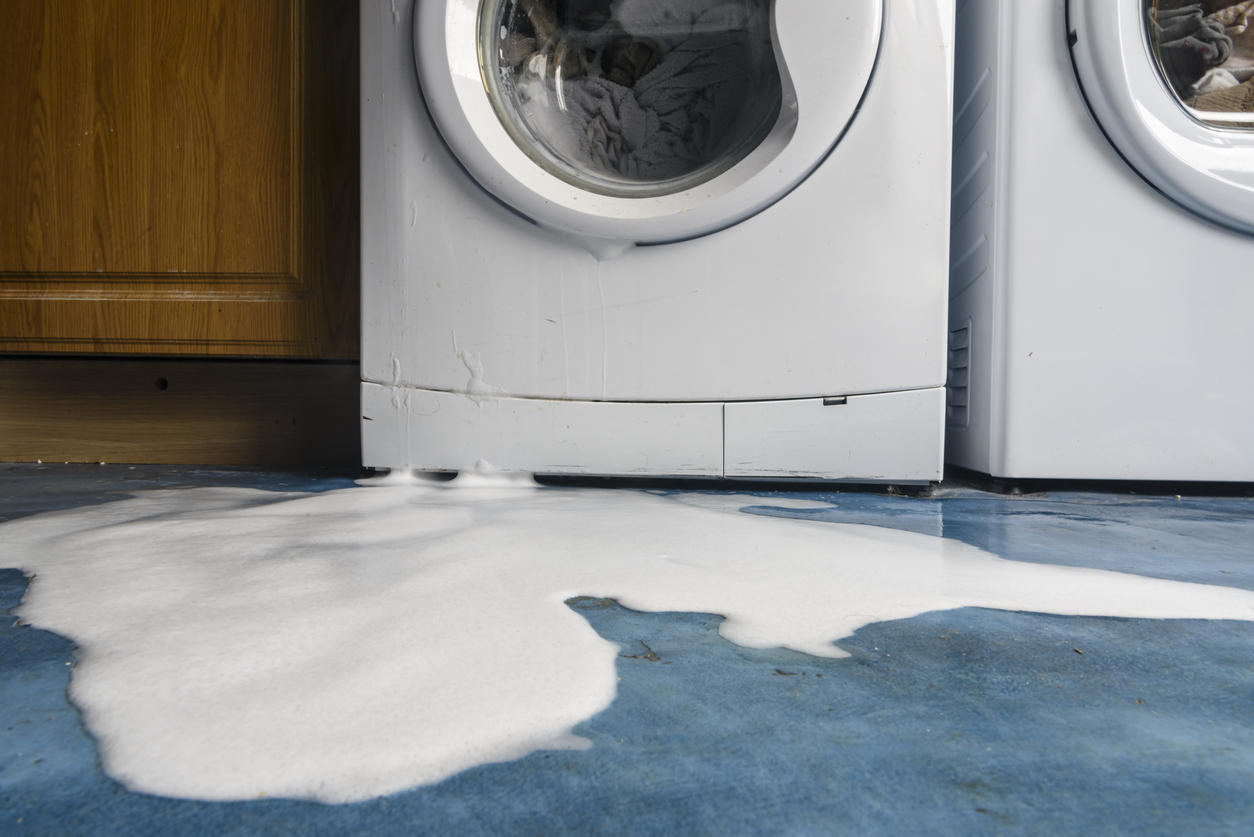
Major appliances quietly run day in and day out in most DFW homes, and when a supply line, hose, or internal component fails, the resulting water damage can range from a small, contained puddle to a significant flood affecting multiple rooms — particularly if the appliance is on an upper floor or the leak goes unnoticed overnight.
Common Appliances Behind Water Damage Incidents
Washing Machines
Supply hoses are one of the most common failure points, particularly older rubber hoses that can crack, bulge, or burst under water pressure over time.
Dishwashers
Leaking door seals, failed supply lines, or drain hose issues can allow water to seep onto kitchen flooring and, in some cases, into the subfloor beneath.
Water Heaters
Tank corrosion, failed pressure relief valves, or fitting failures can cause anything from a slow leak to a sudden, significant water release, particularly with older water heater units nearing the end of their typical lifespan.
Refrigerators With Ice Makers
Supply line connections for ice makers and water dispensers are a less obvious but still common source of slow leaks that can go undetected for extended periods behind or under the refrigerator.
Why These Leaks Often Go Undetected Initially
Appliances are frequently located against walls or in enclosed spaces (laundry closets, under cabinets, utility rooms) where a slow leak isn't immediately visible, allowing water to spread into flooring, subflooring, and adjacent walls before the leak becomes obvious.
Signs of Appliance-Related Water Damage
- Warped or discolored flooring near an appliance
- A musty smell in a laundry room, kitchen, or utility closet
- Visible water pooling around the base of an appliance
- Soft or spongy flooring when walked on near the appliance area
- Water stains on the ceiling below, if the appliance is on an upper floor
The Restoration Process for Appliance-Related Damage
1. Addressing the Source
The failed hose, valve, or component needs to be repaired or replaced first, or the damage will continue.
2. Extracting Water and Assessing Damage
Any standing water is removed, and the extent of damage to flooring, subflooring, and nearby walls is assessed.
3. Drying Affected Materials
Industrial drying equipment removes moisture from flooring, subflooring, and any affected drywall, with moisture meters used to confirm materials are fully dry.
4. Removing Unsalvageable Materials
Flooring or subflooring that absorbed too much water to fully dry is removed and replaced.
5. Mold Prevention
Given that these leaks often occur behind or under appliances where they go unnoticed for a period, treating the area to prevent mold growth is an important step.
6. Restoring the Space
This includes replacing flooring, repairing any affected drywall, and restoring the area to its original condition.
Preventing Appliance-Related Water Damage
- Replacing rubber washing machine hoses with braided stainless steel hoses, which are far more resistant to bursting
- Periodically inspecting supply lines and connections for appliances, particularly ice maker lines and water heater fittings
- Replacing aging water heaters proactively before they reach the end of their expected lifespan
- Installing a water leak detection device near appliances prone to leaks, which can alert homeowners before significant damage occurs
Why Upper-Floor Appliance Leaks Cause More Extensive Damage
A washing machine or dishwasher leak on an upper floor can cause water to travel down through flooring and ceilings into the level below, potentially affecting multiple rooms and floors from a single leak source — making prompt detection and response especially important for appliances located above the ground floor.
Restoring Your Home After an Appliance Leak
Whether it's a washing machine hose failure or a slow ice maker line leak that went unnoticed for weeks, professional restoration addresses both the visible damage and any hidden moisture, ensuring your DFW home is fully and properly restored.

Dealing with water damage from an appliance leak? Contact us today for a thorough assessment and restoration.
KC10 Remodels
Find Us On


