
Water Damage Categories and Classes: What They Mean for Your DFW Restoration
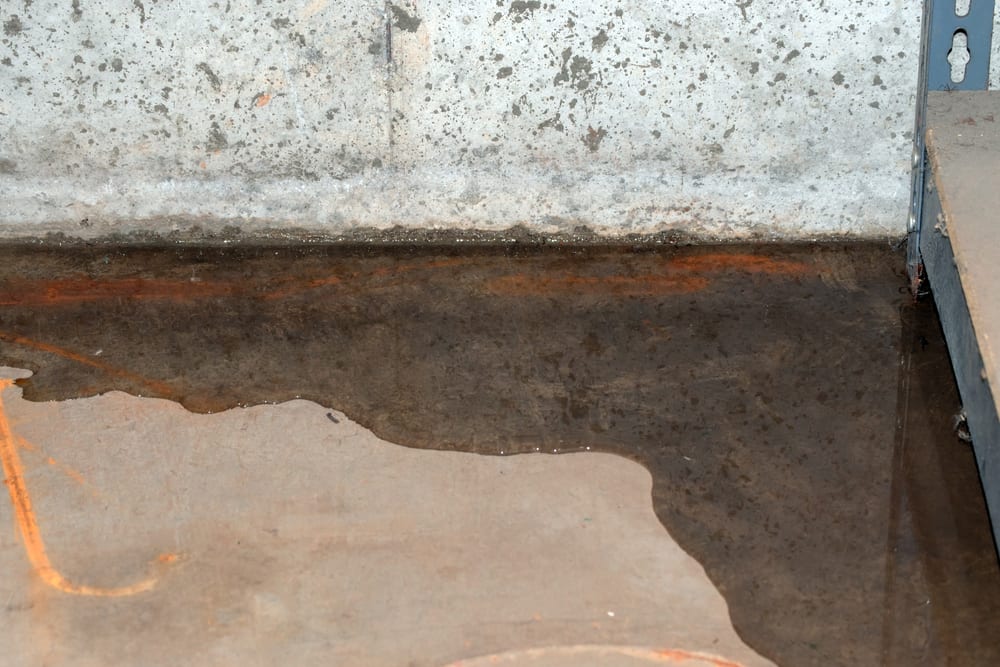
If you've ever received a restoration estimate that references water damage "category" or "class," these aren't arbitrary terms — they're part of an industry-standard classification system that guides exactly how a restoration company approaches drying, cleaning, and repairing your DFW property. Understanding what these classifications mean helps homeowners better understand their restoration process and estimate.
Understanding Water Damage Categories
The restoration industry classifies water damage into three categories based on the source and contamination level of the water involved:
Category 1: Clean Water
Water from a clean source, such as a broken supply line or overflowing sink with clean water, poses the lowest contamination risk and allows for the most straightforward drying and restoration approach.
Category 2: Gray Water
Water that contains some level of contamination, such as water from a washing machine, dishwasher, or a toilet overflow with urine but no solid waste, requiring more careful handling than clean water.
Category 3: Black Water
Water that's significantly contaminated, including sewage backups, flooding from rivers or storm surge, or water that has been standing long enough to develop significant bacterial growth, requiring the most rigorous safety protocols and often more extensive material removal.
Why Category Matters for Your Specific Restoration
The category of water involved determines what materials can potentially be dried and saved versus what needs to be removed and replaced due to contamination risk, directly affecting both the restoration approach and the overall cost and timeline of the project.
Understanding Water Damage Classes
Beyond category, restoration professionals also classify water damage by "class," which refers to the extent and rate of evaporation expected based on the materials affected and how much of the space is impacted:
Class 1
The least amount of water, absorption, and evaporation involved, typically affecting only a small area or a single material type.
Class 2
A larger amount of water affecting an entire room, including some absorption into materials like carpet or drywall.
Class 3
The largest amount of water, typically involving ceilings, walls, and flooring throughout a space, often from water coming from overhead (such as a significant roof or upper-floor leak).
Class 4
Specialty drying situations involving materials with very low permeance, such as concrete, brick, or hardwood, that require extended, specialized drying methods.
Why This Classification System Matters for Your Restoration Estimate
Understanding both the category and class of your specific water damage situation helps explain why a restoration company recommends a particular drying timeline, why certain materials are being removed rather than dried in place, and why the overall scope and cost of your specific restoration project looks the way it does.
How This Affects Insurance Claims
Insurance adjusters and restoration companies both typically reference these same category and class classifications, making this shared industry language helpful for ensuring your restoration estimate and insurance claim documentation are speaking the same technical language throughout the claims process.
Why Category 3 (Black Water) Situations Require a Different Approach
Given the health risks associated with contaminated water, category 3 situations require more extensive safety protocols, more materials typically need to be removed rather than dried and saved, and the overall restoration process tends to take a more cautious, thorough approach compared to a straightforward category 1 clean water situation.
Getting Clarity on Your Specific Situation
If you're working with a restoration company and want to better understand your specific situation, asking directly about the category and class of your water damage helps clarify why certain recommendations are being made and what to expect throughout the restoration process.
Making Sense of Your Restoration Process
Understanding these industry classifications empowers DFW homeowners to have more informed conversations with their restoration company and insurance adjuster, ensuring everyone is aligned on the appropriate approach for your specific water damage situation.

Dealing with water damage and want a clear explanation of your specific situation? Contact us today for a thorough assessment.
KC10 Remodels
Find Us On


