
Water Damage in Your Garage: Causes and Restoration for DFW Homeowners
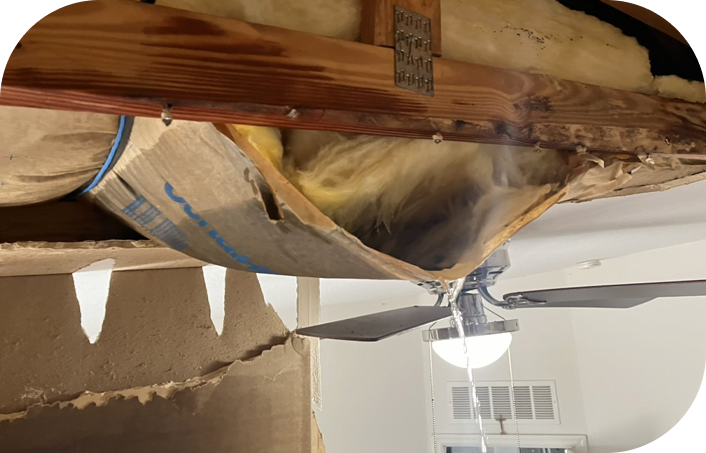
Garages often take a different kind of water damage risk than the rest of a DFW home, given their typically lower elevation relative to the driveway, less climate control, and frequent role as a storage space for items that can be damaged if water intrusion goes unnoticed. Understanding the common causes specific to garages helps homeowners address this often-overlooked space properly.
Why Garages Face Distinct Water Intrusion Risks
Many garages sit at a lower point relative to the surrounding driveway and yard grading, making them more susceptible to water intrusion during heavy rain if drainage isn't properly directing water away from this entry point. Additionally, garage doors themselves aren't as fully sealed against water intrusion as a home's exterior walls.
Common Causes of Garage Water Damage
Poor Driveway Grading
If a driveway slopes toward the garage rather than away from it, heavy rain can direct water directly into the garage space.
Garage Door Seal Failures
The weatherstripping seal along the bottom and sides of a garage door deteriorates over time, allowing water to seep in during heavy, wind-driven rain.
Water Heater Leaks
Many DFW homes locate water heaters in the garage, and a leak or failure from this appliance can cause significant water damage in this space.
Washing Machine Leaks
Similarly, garages sometimes house laundry appliances, introducing another potential leak source specific to this space.
Roof or Attic Leaks Above the Garage
Since garages often have their own separate roof section or attic space, leaks originating from this area can cause damage specific to the garage below.
Signs of Water Damage in a Garage
- Water stains or discoloration on garage walls or ceiling
- Warped or damaged drywall, if the garage has finished walls
- Standing water or damp concrete flooring after rain events
- Musty odors within the garage space
- Damage to stored items, often the first sign homeowners notice
The Restoration Process for Garage Water Damage
1. Identifying and Addressing the Source
Whether it's improving driveway grading, replacing garage door weatherstripping, or repairing a leaking appliance, the underlying cause needs to be resolved first.
2. Assessing Structural Damage
This includes checking drywall, insulation (if present), and flooring for water damage extent.
3. Removing Damaged Materials
Water-compromised drywall or other materials that can't be fully dried are removed.
4. Drying the Area
Industrial drying equipment addresses moisture in the garage's structure, particularly important given garages often have less ventilation than the main living space.
5. Mold Prevention
Treating the area to prevent mold growth is an important step, particularly relevant in garages that may not receive the same regular airflow as conditioned living space.
6. Repairing and Restoring
This includes replacing damaged drywall, matching texture if applicable, and repainting to restore the garage's appearance.
Preventing Future Garage Water Intrusion
- Checking and replacing garage door weatherstripping periodically, particularly before DFW's spring storm season
- Assessing driveway and garage entry grading to ensure water is directed away from rather than toward the garage
- Installing a threshold seal or garage door bottom seal specifically designed to block water intrusion during heavy rain
- Elevating stored items off the garage floor to protect against minor water intrusion events
Why Garages Deserve the Same Attention as Living Space
While garages aren't conditioned living space, water damage here can still lead to structural issues, mold growth, and damage to stored belongings — making proper restoration just as important as addressing water damage anywhere else in your DFW home.

Dealing with water damage in your garage? Contact us today for a thorough assessment and restoration.
KC10 Remodels
Find Us On


