
When Is the Best Time of Year to Paint the Exterior of Your DFW Home?
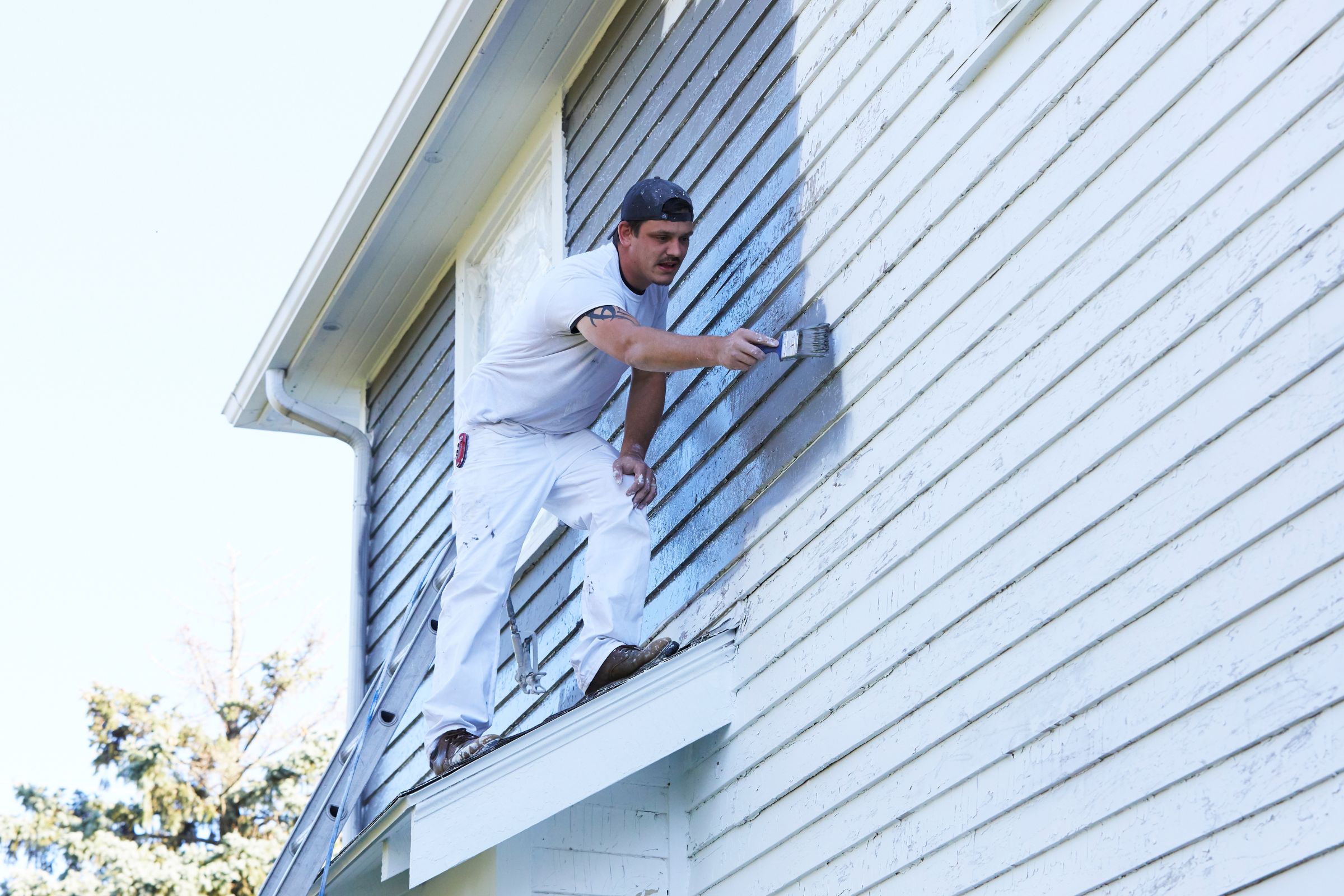
Exterior painting isn't a project you can schedule purely around personal convenience — Texas weather plays a bigger role in the outcome than most homeowners realize. Paint needs the right temperature and humidity conditions to cure properly, and DFW's mix of intense summer heat, unpredictable spring storms, and occasional winter cold snaps all affect how well an exterior paint job holds up long-term.
Why Timing Affects Paint Quality
Paint doesn't just need to dry — it needs to cure, which is a slower chemical process that determines how durable and long-lasting the finish will be. Painting in conditions that are too hot, too cold, too humid, or too close to rain can all lead to problems: poor adhesion, uneven sheen, bubbling, or premature peeling.
Spring: A Popular but Tricky Window
Spring temperatures in DFW are often ideal for painting, but the region's frequent spring storms make scheduling tricky. Rain within 24-48 hours of a fresh paint job can wash away uncured paint or trap moisture underneath the surface, leading to peeling down the road. A professional painting crew watches weather forecasts closely during this season to avoid painting right before a storm system moves through.
Summer: Heat Changes the Rules
DFW summers bring intense heat, often well above the ideal application range for most exterior paints. Painting in direct, high-heat sun can cause paint to dry too quickly on the surface before it has properly bonded underneath, leading to lap marks, uneven texture, and reduced durability. Professional painters often work early mornings or shaded sides of a home during summer months to avoid painting in peak heat.
Fall: Often the Ideal Window
Fall tends to offer some of the most consistent painting conditions in North Texas — moderate temperatures, lower humidity, and fewer sudden storm systems compared to spring. Many DFW homeowners find fall to be the most reliable season for exterior painting projects.
Winter: Possible, But With Limitations
While DFW winters are milder than much of the country, occasional cold snaps can drop temperatures below the range most exterior paints need to cure properly. Winter painting is possible on milder days, but timing needs to be planned carefully around temperature swings.
Ideal Temperature and Humidity Conditions
Most exterior paints perform best when applied in temperatures roughly between 50-85°F, with moderate humidity and no rain expected for at least 24-48 hours after application. Painting outside of this range — whether too hot, too cold, or too humid — increases the risk of application issues that shorten the life of the paint job.
Surface Preparation Matters as Much as Timing
Regardless of season, exterior paint durability depends heavily on proper prep work: pressure washing to remove dirt and mildew, scraping and sanding any peeling areas, and caulking gaps around trim and windows. Skipping prep work — even with perfect weather — leads to a paint job that fails prematurely.
Planning Ahead for Your Exterior Paint Project
Because weather conditions can shift the ideal painting window, it's worth planning exterior painting projects with some flexibility built in. A professional painting company will monitor forecasts and adjust scheduling as needed to make sure your home's exterior gets painted under conditions that support a long-lasting finish, rather than rushing the job regardless of weather.
The Cost of Painting at the Wrong Time
Painting during unfavorable conditions doesn't just risk a lower-quality finish — it can mean redoing sections of the job within a year or two, costing more in the long run than simply waiting for better conditions. Patience with timing pays off in how long your paint job actually lasts.
Why Professional Painters Plan Around DFW Weather
An experienced painting crew understands North Texas's seasonal patterns and plans projects accordingly — avoiding peak summer heat, watching for spring storm windows, and taking advantage of milder fall and winter days when conditions allow. This kind of planning is part of what separates a paint job that lasts a decade from one that needs touch-ups within a year.

Planning an exterior painting project? Request your free estimate and we'll help you choose the right timing for lasting results.
KC10 Remodels
Find Us On


