
Why Fresh Trim and Baseboards Make Such a Big Difference in DFW Homes
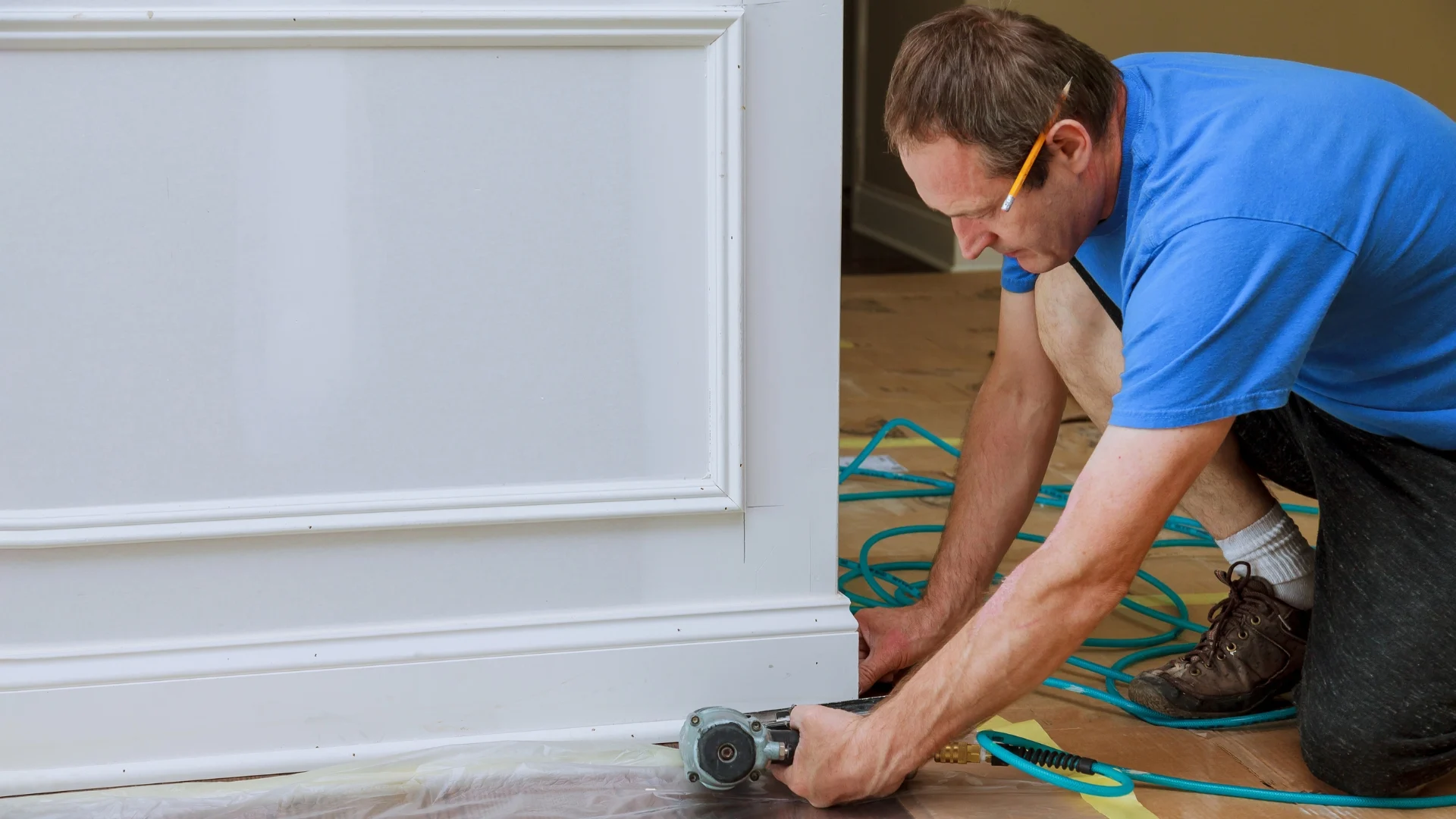
Wall color gets most of the credit for how a room looks, but trim and baseboards do a lot of the quiet work that makes a space feel finished or neglected. Scuffed, yellowed, or chipped trim stands out more than homeowners expect, especially once walls have been freshly painted and the contrast becomes obvious. For DFW homeowners planning an interior refresh, trim and baseboard painting is one of the most overlooked details worth prioritizing.
Why Trim Shows Wear Faster Than Walls
Baseboards, door casings, and window trim sit at the exact height where they take the most physical contact — vacuum cleaners, shoes, furniture being moved, kids' toys, and pets all make repeated contact with trim in ways that walls rarely experience. This means trim often needs repainting more frequently than the surrounding wall color.
Signs Your Trim and Baseboards Need Attention
- Visible scuffs, scratches, or dings along baseboards
- Yellowing, particularly on trim that was originally painted white
- Chipped paint around doorframes from repeated contact
- A mismatch in sheen or color between trim and freshly painted walls
- Caulk gaps between trim and walls that have cracked or separated over time
Why Trim Requires a Different Painting Approach Than Walls
Trim is typically painted in a higher-sheen finish — usually semi-gloss — than the surrounding wall, both for durability and to create a subtle contrast that makes trim details stand out. Achieving clean, crisp lines between wall and trim colors requires careful masking or a steady, experienced hand with a brush.
The Trim Painting Process
1. Cleaning
Trim accumulates dust, grime, and sometimes grease (particularly near kitchens), all of which need to be cleaned off before painting for proper paint adhesion.
2. Sanding
Glossy existing trim paint often needs light sanding to help new paint adhere properly, along with sanding down any chips or rough spots.
3. Caulking
Any gaps between trim and the wall, or at trim joints, are caulked to create a clean, seamless appearance once painted.
4. Priming
Particularly important when covering stained wood trim or making a significant color change, primer ensures even coverage and proper adhesion.
5. Painting
Multiple thin coats are applied for a smooth, durable finish, with careful attention to clean lines where trim meets walls, flooring, and other trim pieces.
Should Trim Match Throughout the Home?
Most interior designers recommend keeping trim color consistent throughout a home — typically a crisp white — even as wall colors change from room to room, creating a cohesive thread that ties different spaces together despite varying wall colors.
Door and Casing Painting Considerations
Interior doors and their casings often need particular attention since they're touched constantly and show wear at door handles and edges faster than flat trim surfaces. A durable semi-gloss or satin finish designed for high-touch areas holds up better than flatter finishes in these zones.
Combining Trim Painting With a Full Room Refresh
While trim can be refreshed as a standalone project, many homeowners choose to update trim alongside a full room repaint, since the prep work (protecting floors, masking) overlaps significantly between the two projects.
Why Professional Application Matters for Trim
Achieving crisp, clean lines between trim and wall colors takes precision, and trim's higher-sheen finish highlights any unevenness or missed spots more than a flatter wall paint would. Professional painters bring the steady technique needed for genuinely sharp trim lines throughout a home.
A Small Detail With Outsized Impact
Refreshing trim and baseboards is one of the more affordable ways to make an entire home feel updated and well-maintained, since these details are present in literally every room and directly affect how finished a space feels at a glance.

KC10 Remodels
Find Us On


